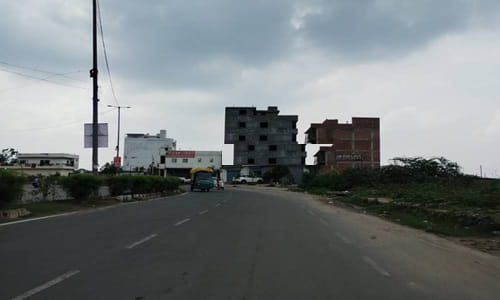
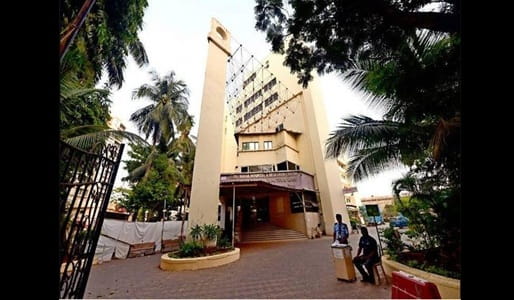
Tughlaqabad is one of the historically significant and rapidly developing localities in South East Delhi. The area is best known for the magnificent ruins of Tughlaqabad Fort, local residential settlements, strong connectivity, and its blend of Delhi’s medieval history with modern urban life.
Over the years, Tughlaqabad Village has grown from a historical settlement into a busy residential and commercial locality surrounded by schools, markets, metro connectivity, and nearby business zones. Despite urban development, the area still carries a strong historical identity connected to the Delhi Sultanate period.
Whether you are interested in Delhi’s history, planning to relocate, or looking to explore nearby attractions, this complete guide to Tughlaqabad Village will help you.
About Tughlaqabad Village
Tughlaqabad is located near:
- Badarpur
- Govindpuri
- Kalkaji
- Okhla
- Faridabad routes
The locality became historically important because of:
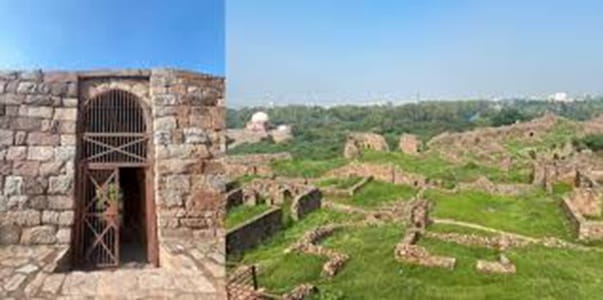
- Tughlaqabad Fort
which was built during the reign of Sultan Ghiyasuddin Tughlaq in the 14th century.
Today, the area includes:
- Residential colonies
- Local markets
- Shops and restaurants
- Schools and colleges
- Metro connectivity
- Commercial establishments
The locality remains an important residential area in South Delhi.
Why Tughlaqabad Village is Famous
Tughlaqabad is famous for:
- Historic Tughlaqabad Fort
- Delhi Sultanate history
- Metro connectivity
- Residential development
- Local markets
- Strong road access
The fort ruins are among the most iconic medieval structures in Delhi.
History of Tughlaqabad
The area is deeply connected to the history of the Delhi Sultanate.
Tughlaqabad Fort was built in the 14th century by:
- Ghiyasuddin Tughlaq
The fort was designed as a massive defensive city with:
- Strong stone walls
- Watchtowers
- Palaces
- Water reservoirs
Even today, the ruins reflect the architectural brilliance of medieval India.
The fort has become one of Delhi’s major historical attractions.
Location and Connectivity
Tughlaqabad enjoys strong connectivity to major parts of Delhi NCR.
Nearby important areas include:
- Kalkaji
- Okhla
- Faridabad
- Nehru Place
- Badarpur
Major roads nearby include:
- Mathura Road
- Mehrauli-Badarpur Road
- Delhi-Faridabad routes
This connectivity supports daily travel for office workers and students.
How to Reach Tughlaqabad Village
By Metro
The locality is well connected through:
- Delhi Metro Violet Line
Nearby metro stations help visitors travel easily across Delhi NCR.
From metro stations, visitors can continue through:
- Auto-rickshaws
- E-rickshaws
- Cab services
By Road
Tughlaqabad is connected through:
- Mathura Road
- Ring Road routes
- Delhi-Faridabad highways
DTC buses and taxis are easily available.
By Air
The nearest airport is:
- Indira Gandhi International Airport
Travelers can reach the locality through metro and road transport.
Lifestyle in Tughlaqabad Village
Tughlaqabad offers a mix of:
- Traditional community living
- Urban residential lifestyle
- Commercial activity
The locality includes:
- Apartments
- Independent houses
- Rental accommodations
- Grocery stores
- Coaching centers
- Local eateries
Compared to many premium South Delhi areas, Tughlaqabad offers relatively affordable housing.
Markets and Shopping in Tughlaqabad
The local markets offer:
- Daily-use products
- Clothing stores
- Grocery shops
- Electronics shops
- Street vendors
Evenings are lively with shopping activity and food stalls.
Residents also visit nearby commercial hubs for larger shopping experiences.
Places to Visit Near Tughlaqabad Village
Several major attractions are located near the area.
1. Tughlaqabad Fort
The biggest attraction is:
- Tughlaqabad Fort
Visitors come here for:
- Historical exploration
- Photography
- Architecture
- Heritage walks
The massive ruins create a dramatic atmosphere.
2. Lotus Temple
One of Delhi’s most famous landmarks nearby is:
- Lotus Temple
The temple is known for:
- Peaceful environment
- Modern architecture
- Spiritual atmosphere
3. Kalkaji Temple
Religious visitors often explore:
- Kalkaji Mandir
The temple attracts devotees from across India.
4. Okhla Bird Sanctuary
Nature lovers can visit:
- Okhla Bird Sanctuary
The sanctuary is ideal for:
- Bird watching
- Photography
- Nature walks
Best Restaurants and Food in Tughlaqabad
Food lovers can enjoy many affordable dining options.
1. North Indian Food
Popular dishes include:
- Chole bhature
- Butter chicken
- Kebabs
- Paneer tikka
- Dal makhani
Local dhabas and restaurants serve affordable meals.
2. Street Food
Street food remains highly popular in the locality.
Visitors can enjoy:
- Momos
- Golgappe
- Chowmein
- Chaat
- Tea stalls
Evening markets become lively with food vendors.
3. Cafés and Restaurants Nearby
Nearby areas such as Kalkaji and Nehru Place offer:
- Cafés
- Fast food outlets
- Fine dining restaurants
- Multi-cuisine eateries
Young people frequently visit these commercial areas.
How to Spend a Perfect Day in Tughlaqabad Village
If you are visiting Tughlaqabad, here is a simple itinerary.
Morning: Explore Tughlaqabad Fort
Start your day with:
- Visiting the fort ruins
- Photography
- Exploring historical architecture
Morning weather is more comfortable for sightseeing.
Afternoon: Shopping and Local Exploration
Spend your afternoon:
- Visiting nearby markets
- Exploring Kalkaji or Nehru Place
- Enjoying lunch at local restaurants
Evening: Food and Relaxation
Evenings are ideal for:
- Street food exploration
- Café visits
- Relaxing walks
- Shopping in local markets
The area remains active until late evening.
Educational Institutions and Facilities
The locality benefits from nearby:
- Schools
- Colleges
- Coaching centers
- Hospitals
- Commercial offices
This makes the area suitable for families and students.
Real Estate and Residential Growth
Tughlaqabad has seen rapid residential growth because of:
- Metro connectivity
- South Delhi expansion
- Affordable housing demand
- Nearby commercial hubs
The area attracts:
- Families
- Students
- Office workers
- Small business owners
Best Time to Visit Tughlaqabad Village
The ideal time to visit is:
- October to March
Winter weather is more suitable for outdoor exploration.
Tips for Visiting Tughlaqabad Village
- Visit the fort during morning or evening hours
- Summers can become extremely hot
- Wear comfortable shoes while exploring ruins
- Use metro for easier travel
- Carry water during sightseeing
Nearby Places to Visit
You can also explore nearby attractions such as:
- Humayun’s Tomb
- India Gate
- Akshardham Temple
- Qutub Minar
Conclusion
Tughlaqabad is one of Delhi’s most historically important localities that beautifully combines medieval heritage with modern urban development. From the magnificent Tughlaqabad Fort and lively local markets to metro connectivity and nearby attractions, the area offers a unique experience for residents and visitors alike.
Whether you are interested in Delhi’s history, searching for affordable residential areas, or planning a cultural exploration, Tughlaqabad Village provides a fascinating mix of history, community life, and urban convenience.
Frequently Asked Questions (FAQ)
Q1. Where is Tughlaqabad Village located?
A: Tughlaqabad Village is located in South East Delhi.
Q2. Why is Tughlaqabad famous?
A: The area is famous for the historic Tughlaqabad Fort and Delhi Sultanate history.
Q3. Who built Tughlaqabad Fort?
A: The fort was built by Sultan Ghiyasuddin Tughlaq in the 14th century.
Q4. Is metro connectivity available in Tughlaqabad?
A: Yes, Delhi Metro Violet Line provides connectivity to the locality.
Q5. Is Tughlaqabad good for residential living?
A: Yes, many people prefer the area because of affordability and connectivity.
Q6. What food is popular in Tughlaqabad?
A: North Indian food, kebabs, street food, and local Delhi snacks are popular.
Q7. What is the best time to visit Tughlaqabad?
A: October to March is considered the best time because of pleasant weather.