Sambhal is a historic town in western Uttar Pradesh that has long been known as a traditional settlement with deep cultural roots. Often referred to in the broader sense as “Sambhal village” in older contexts, the area has grown into a full urban town while still retaining strong village-like characteristics in its older neighborhoods.
Today, Sambhal is known for its rich history, handicrafts, religious harmony, local markets, and its role as an important regional center in the Moradabad division.
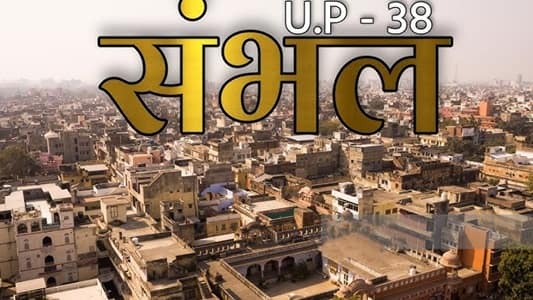
About Sambhal Village / Town
Sambhal is located in western Uttar Pradesh and is surrounded by agricultural land, small towns, and rural settlements.
Nearby important regions include:
- Moradabad
- Budaun
- Amroha
- Chandausi
- Rampur district region
Historically, Sambhal has been mentioned in ancient texts and is believed to have cultural and historical significance dating back centuries. Over time, it developed from a traditional settlement into a municipal town.
Even today, parts of Sambhal reflect:
- Narrow old bazaars
- Traditional houses
- Religious sites and shrines
- Agricultural outskirts
Why Sambhal is Famous
Sambhal is known for several important reasons:
- Historical and cultural importance
- Traditional handicrafts and local industries
- Brass and metal work influence (near Moradabad belt)
- Religious harmony and heritage sites
- Busy local markets and trade activity
- Agricultural surroundings
It is especially known for:
- Local craftsmanship
- Old Mughal-era influence in architecture
- Regional trade connections
- Rural-urban lifestyle mix
Sambhal Village Location and Connectivity
Sambhal is well connected to nearby towns and cities in western Uttar Pradesh.
Nearby important locations:
- Moradabad (major railway and industrial city)
- Chandausi (rail junction town)
- Amroha
- Budaun
- Delhi NCR (via highway routes)
Major road connectivity:
- State highways linking Moradabad and Budaun
- Local district roads
- Bus routes connecting nearby towns
How to Reach Sambhal Village
By Road
Sambhal is mainly connected via road transport:
- UPSRTC buses
- Private buses
- Taxis and shared vehicles
- Personal vehicles
Road travel is the most common way to reach Sambhal.
By Train
Nearest railway connectivity:
Indian Railways
Nearby railway stations:
- Chandausi Junction
- Moradabad Junction
- Amroha Station
From these stations, local transport is available to Sambhal.
By Air
Nearest airport:
- Delhi IGI Airport (for long-distance travel)
- Bareilly Airport (regional access in some cases)
Lifestyle in Sambhal Village
Sambhal offers a traditional North Indian lifestyle with growing urban influence.
Daily life includes:
- Local market-based economy
- Agricultural activity in outskirts
- Small businesses and shops
- Religious and cultural gatherings
The lifestyle is:
- Affordable and simple
- Community-oriented
- Strongly connected to traditions
- Slowly urbanizing in central areas
Economy of Sambhal Village
The economy of Sambhal is based on multiple sectors:
1. Agriculture
- Wheat, sugarcane, and seasonal crops
- Dairy farming
- Rural employment
2. Small Industries
- Local handicrafts
- Metal and small-scale manufacturing influence
- Cottage industries
3. Trade and Markets
- Local bazaars
- Wholesale and retail trade
- Weekly markets (haats)
4. Services
- Shops and transportation
- Local businesses
- Educational institutions
Markets and Daily Needs
Residents of Sambhal depend heavily on local bazaars.
Key markets include:
- Old city bazaars
- Cloth and general markets
- Vegetable and grain markets
- Local street vendors
Nearby larger trade centers:
- Moradabad markets
- Chandausi wholesale areas
Food in Sambhal Village
Food culture is rich in North Indian traditional cuisine.
1. Street Food
- Samosa
- Kachori
- Golgappa
- Aloo tikki
2. Traditional Meals
- Roti, dal, sabzi
- Rajma chawal
- Seasonal vegetable curries
- Lassi and buttermilk
3. Local Specialties
- Sweet shops with traditional Indian sweets
- Local bakery items
- Mughlai-influenced dishes in some areas
Religious and Cultural Importance
Sambhal has a strong cultural and religious identity with multiple places of worship:
- Ancient temples
- Mosques and dargahs
- Community festivals
- Annual fairs and melas
The town is known for peaceful coexistence and cultural diversity.
Nearby Attractions
1. Moradabad City
Moradabad
- Famous for brass handicrafts
- Major industrial hub
- Railway junction city
2. Chandausi
Chandausi
- Important railway town
- Local markets and trade center
3. Amroha
Amroha
- Known for cultural heritage
- Agricultural and trade region
4. Ganges Region (Nearby Spiritual Areas)
Ganga River
- Religious significance
- Pilgrimage sites nearby
How to Spend a Day in Sambhal Village
Morning
- Visit local markets
- Explore old city lanes
- Breakfast at local shops
Afternoon
- Visit nearby towns like Chandausi or Moradabad
- Explore handicraft shops
- Lunch at local dhabas
Evening
- Walk in market areas
- Enjoy street food
- Visit temples or religious sites
Education and Healthcare
Education
- Government schools
- Private schools
- Nearby colleges in Moradabad and Chandausi
Healthcare
- Local clinics and hospitals
- District hospitals in nearby towns
- Private healthcare facilities
Real Estate and Development
Sambhal is gradually developing with:
- Residential colonies
- Affordable housing
- Agricultural land conversion
- Small commercial projects
It is considered:
- Budget-friendly
- Developing semi-urban region
- Growing in infrastructure slowly
Best Time to Visit Sambhal Village
Best time:
- October to March
Weather is pleasant for travel and outdoor activities.
Tips for Visitors
- Use road travel for convenience
- Explore local markets for authentic experience
- Try traditional food items
- Respect local cultural practices
- Carry cash in small towns for ease
Frequently Asked Questions (FAQ)
1. Where is Sambhal located?
It is located in western Uttar Pradesh, India.
2. Is Sambhal a village or city?
It is a town with strong rural and village characteristics.
3. What is Sambhal famous for?
It is known for history, culture, and local handicrafts.
4. How can I reach Sambhal?
Mostly by road and nearby railway stations like Chandausi and Moradabad.
5. What is the lifestyle like?
Simple, traditional, and community-based.
6. Is Sambhal developing?
Yes, it is gradually developing with better infrastructure and connectivity.
7. What language is spoken?
Hindi is the main language, along with local dialects.
Conclusion
Sambhal is a historically rich and culturally important town that blends traditional village life with gradual urban development. With its markets, agriculture, heritage, and strong community culture, Sambhal remains an important regional center in western Uttar Pradesh.
It represents the classic transformation of Indian towns—rooted in tradition while slowly moving toward modern development.