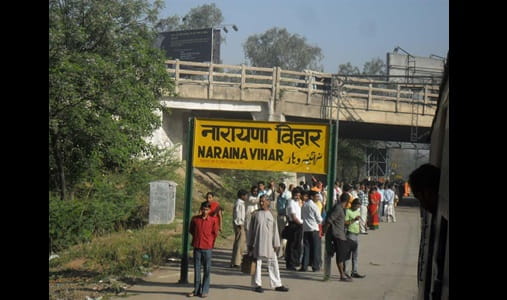
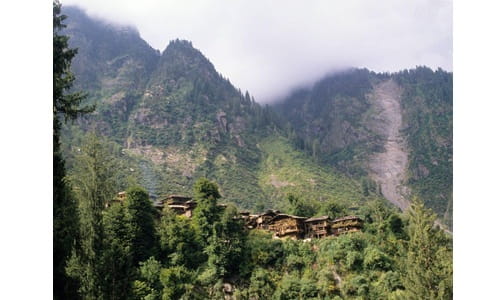
Hoshiarpur is one of the most culturally rich and naturally beautiful districts of Punjab. The villages of Hoshiarpur are known for their agricultural strength, traditional Punjabi lifestyle, green surroundings, and strong community culture. Unlike highly urbanized regions, many villages in Hoshiarpur still preserve the peaceful atmosphere and rural traditions that reflect the true spirit of Punjab.
The district is famous for its fertile land, farming activities, religious harmony, and scenic foothill landscapes near the Shivalik range. Over the years, Hoshiarpur villages have gradually developed through improved roads, education, transportation, and modern infrastructure while maintaining their traditional rural identity.
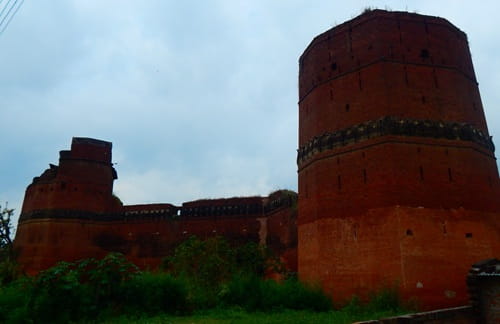
Historical background of Hoshiarpur villages
The villages of Hoshiarpur have a long agricultural and cultural history. Earlier, rural life in the region revolved around farming, livestock, and village-based occupations. Agriculture formed the backbone of the local economy, and most families depended on crop cultivation for their livelihood.
Traditional Punjabi village life included:
- Farming activities
- Community gatherings
- Religious festivals
- Folk music and dance
- Local fairs and markets
The villages were known for strong social relationships and community support systems. Joint families and traditional values played an important role in daily life.
Because of its location near the Shivalik foothills, many villages in Hoshiarpur developed close connections with forests, rivers, and natural resources. Over time, modernization and infrastructure growth gradually transformed the region while preserving much of its cultural heritage.
Natural beauty and geographical surroundings
One of the most special features of villages in Hoshiarpur is their natural environment.
The district is surrounded by:
- Agricultural fields
- Green farmlands
- Small rivers and streams
- Shivalik hill landscapes
- Mango orchards and forests in some areas
Compared to heavily industrialized regions, many Hoshiarpur villages offer:
- Cleaner air
- Peaceful surroundings
- Less traffic congestion
- Scenic rural beauty
The combination of fertile plains and nearby hills gives the district a unique geographical character.
Agriculture and village economy
Agriculture remains the primary economic activity in most villages of Hoshiarpur.
Farmers commonly grow:
- Wheat
- Paddy
- Maize
- Sugarcane
- Vegetables and fruits
The district is also known for:
- Dairy farming
- Poultry farming
- Mango cultivation in some regions
Modern farming equipment and irrigation systems have improved agricultural productivity over time.
Apart from agriculture, villagers also work in:
- Small businesses
- Government jobs
- Transportation services
- Local trade and shops
- Overseas employment connections in some families
Many families from Hoshiarpur have relatives living abroad, especially in:
- Canada
- United Kingdom
- United States
- Australia
This has influenced economic growth and residential development in several villages.
Lifestyle and Punjabi village culture
Life in the villages of Hoshiarpur reflects traditional Punjabi culture and hospitality.
Residents are known for:
- Warm hospitality
- Strong family values
- Community unity
- Religious devotion
- Celebration of festivals with enthusiasm
Daily village life often includes:
- Farming work
- Dairy and livestock care
- Religious activities
- Social gatherings at local markets and tea stalls
Traditional Punjabi clothing, folk music, and local customs continue to remain important in many villages.
Even with modernization, village culture still plays a major role in shaping community life.
Festivals and celebrations
Festivals are celebrated with great energy in Hoshiarpur villages.
Popular festivals include:
- Baisakhi
- Lohri
- Diwali
- Gurpurab celebrations
- Holi
Village fairs and religious events are important social gatherings where residents participate in:
- Traditional music
- Punjabi dance forms like Bhangra and Giddha
- Community meals
- Cultural programs
Religious harmony and community participation are strong aspects of village life in the district.
Food culture and local cuisine
Food culture in the villages of Hoshiarpur reflects rich Punjabi culinary traditions.
Popular foods include:
- Makki di roti and sarson da saag
- Lassi and buttermilk
- Parathas with homemade butter
- Chole bhature
- Rajma chawal
- Traditional sweets and desserts
Fresh farm-grown ingredients play an important role in village cooking.
Community meals and festive food preparations remain an important part of social and religious gatherings.
Connectivity and transportation
Transportation and road connectivity in Hoshiarpur villages have improved significantly over the years.
Residents commonly use:
- Punjab Roadways buses
- Private buses
- Motorcycles
- Cars and tractors
- Shared transportation services
Road networks connect villages with:
- Hoshiarpur city
- Nearby towns
- Educational institutions
- Markets and commercial centers
Improved transportation has made commuting easier for:
- Students
- Farmers
- Business owners
- Working professionals
Education and healthcare
Educational awareness in villages of Hoshiarpur has increased significantly.
Residents have access to:
- Government schools
- Private schools
- Colleges and institutes in nearby towns
- Coaching centers and skill development programs
Healthcare facilities include:
- Primary health centers
- Local clinics
- Medical stores
- Hospitals in Hoshiarpur city and nearby urban areas
Modern communication and transportation have improved access to healthcare and education.
Housing and infrastructure
Housing conditions in Hoshiarpur villages have improved steadily because of economic growth and modernization.
Villages now include:
- Traditional Punjabi homes
- Modern independent houses
- Newly constructed residential buildings
- Better road infrastructure
Basic facilities such as:
- Electricity
- Water supply
- Internet connectivity
- Mobile networks
have improved significantly in many villages.
Tourism and nearby attractions
Some villages near Hoshiarpur attract visitors because of:
- Rural tourism
- Religious places
- Scenic hill surroundings
- Agricultural landscapes
Nearby natural and religious attractions also contribute to local tourism activity.
Travelers often visit the district to experience:
- Traditional Punjabi village life
- Local food culture
- Peaceful rural atmosphere
- Scenic countryside landscapes
Challenges faced by villages
Like many rural regions, villages in Hoshiarpur also face certain challenges:
- Agricultural dependence on weather conditions
- Migration of youth toward cities and abroad
- Need for more employment opportunities
- Infrastructure improvement requirements in some areas
At the same time, ongoing rural development programs continue improving local infrastructure and economic growth.
Future development
The future of villages in Hoshiarpur appears promising because of:
- Better rural infrastructure
- Agricultural modernization
- Improved digital connectivity
- Educational growth
- Expanding business opportunities
Eco-tourism and rural tourism may also create new economic possibilities in the future.
Conclusion
The villages of Hoshiarpur beautifully represent the cultural richness, agricultural strength, and traditional lifestyle of Punjab. Surrounded by fertile fields and scenic landscapes, these villages continue to preserve Punjabi heritage while adapting to modern development.
With strong community values, peaceful rural surroundings, improving infrastructure, and growing opportunities, Hoshiarpur villages remain an important part of Punjab’s cultural and economic identity.