Karave is a developing village locality situated in the Navi Mumbai region of Maharashtra. Earlier known as a traditional fishing and agricultural settlement, Karave has gradually transformed because of rapid urbanization and infrastructure growth in Navi Mumbai. Today, the village is recognized for its strategic location, improving residential infrastructure, and proximity to commercial and coastal areas.
Even with modernization and city expansion, Karave still preserves parts of its traditional village identity, local culture, and community lifestyle. The locality represents the transition of many old villages around Mumbai that are evolving into urban residential zones while maintaining their rural and coastal roots.
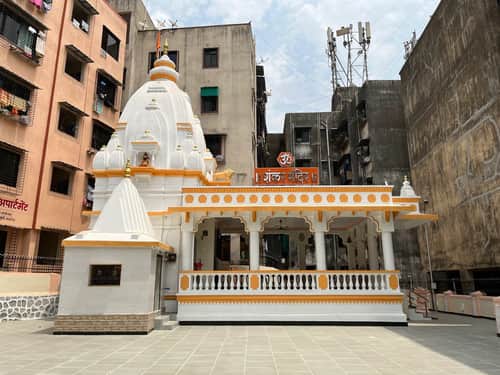
Historical background of Karave Village
Earlier, Karave was primarily a small coastal and agricultural village where residents depended on:
- Fishing activities
- Agriculture
- Local trade
- Livestock-related work
Traditional homes, narrow village roads, and open spaces shaped the environment of the area. Community relationships were strong, and village festivals and cultural traditions played an important role in daily life.
Because of its location near the coastal region and growing Navi Mumbai zones, Karave gradually became connected with urban development projects. As Navi Mumbai expanded through planned infrastructure and residential growth, the surrounding landscape of Karave also changed rapidly.
Agricultural and open land areas gradually reduced while:
- Residential buildings
- Roads and transport infrastructure
- Commercial establishments
- Rental accommodations
started increasing around the village.
Today, Karave has become part of Navi Mumbai’s growing suburban and residential network.
Location and strategic importance
Karave holds strategic importance because of its location near important areas of Navi Mumbai.
Nearby localities include:
- Nerul
- Seawoods
- Belapur
- Palm Beach Road regions
- Coastal zones of Navi Mumbai
Its location provides easier access to:
- Business hubs
- Residential sectors
- Shopping centers
- Educational institutions
- Transportation corridors
Because of this, Karave is becoming increasingly important for:
- Working professionals
- Families
- Students
- Small business owners
Its connectivity with major roads and nearby railway stations has also increased residential demand.
Connectivity and transportation
Connectivity is one of the major strengths of Karave Village.
The locality is connected through:
- Palm Beach Road networks
- Navi Mumbai internal roads
- Belapur and Nerul connectivity routes
Residents commonly use:
- NMMT buses
- Auto-rickshaws
- App-based taxi services
- Personal vehicles
- Shared transportation services
Mumbai Suburban Railway connectivity through nearby railway stations has improved transportation facilities significantly.
Residents can easily travel toward:
- Mumbai
- Thane
- Vashi
- Belapur
- Commercial and industrial zones
Road and transport infrastructure development continues improving commuting facilities for residents.
Lifestyle and local atmosphere
Life in Karave reflects a combination of traditional village culture and modern suburban living.
Older residents still maintain local customs and cultural practices, while newer residents include:
- Office employees
- IT professionals
- Students
- Business families
- Migrant workers
Daily life includes:
- Office commuting
- Local market activity
- Residential colony living
- Cultural and religious celebrations
- Community gatherings
Compared to central Mumbai, the locality offers a relatively calmer and more residential atmosphere.
Economy and employment
The economy of Karave has diversified significantly because of Navi Mumbai’s urban growth.
Traditional occupations
Some families continue involvement in:
- Fishing
- Local trade
- Small-scale agricultural activities
Urban employment
Many residents now work in:
- Corporate offices
- IT companies
- Retail businesses
- Transportation and logistics
- Hospitality and service industries
Local businesses
Commercial activity includes:
- Grocery stores
- Restaurants and tea stalls
- Medical shops
- Daily utility businesses
- Mobile repair shops
Urbanization has created more employment opportunities for local residents.
Housing and real estate
Housing demand in Karave has increased steadily because of its strategic location and growing connectivity.
The locality offers:
- Independent houses
- Builder floors
- Rental rooms
- Apartments and residential buildings
Compared to premium Mumbai areas, housing around Karave may still offer relatively affordable options for:
- Middle-class families
- Working professionals
- Students
Real estate development continues increasing because of rising demand in Navi Mumbai.
Markets and commercial activity
Local markets play an important role in daily life in Karave.
Residents have access to:
- Grocery stores
- Vegetable markets
- Medical shops
- Restaurants and cafés
- Clothing and utility shops
Nearby commercial centers in Nerul and Seawoods provide:
- Shopping malls
- Entertainment facilities
- Large retail stores
- Business and office complexes
Commercial activity continues growing because of increasing residential development.
Food culture and local cuisine
Food culture in Karave reflects both Maharashtrian and coastal food traditions.
Popular foods include:
- Vada pav
- Misal pav
- Seafood dishes
- Pav bhaji
- North Indian meals
- Street-style snacks and fast food
Local tea stalls and food outlets remain popular gathering spots for residents.
Modern cafés and restaurants are also increasing in nearby urban areas.
Education and healthcare
Educational and healthcare infrastructure around Karave has improved significantly because of Navi Mumbai’s development.
Residents have access to:
- Government schools
- Private schools
- Colleges and coaching institutes
- Technical education centers nearby
Healthcare services include:
- Clinics
- Medical stores
- Diagnostic centers
- Hospitals in Navi Mumbai
Improved connectivity has made access to healthcare and education much easier.
Challenges faced by Karave Village
Like many rapidly urbanizing suburban villages, Karave also faces several challenges:
- Traffic congestion during peak hours
- Pressure on civic infrastructure
- Increasing population density
- Environmental concerns because of urban growth
- Need for improved drainage and parking facilities in some areas
Proper urban planning remains important for future sustainable development.
Future development
The future of Karave appears promising because of continuous expansion in Navi Mumbai.
Future improvements may include:
- Better transportation infrastructure
- Improved civic facilities
- More residential projects
- Commercial and retail growth
- Enhanced public amenities
Its location near important Navi Mumbai sectors ensures long-term residential and commercial demand.
Conclusion
Karave is a growing suburban village locality that reflects the transformation of traditional settlements into modern urban communities. While village traditions and coastal culture still remain important, the area is steadily progressing through better infrastructure, residential growth, and economic development.
With improving connectivity, expanding facilities, and rising employment opportunities, Karave continues to emerge as an important developing locality in Navi Mumbai.