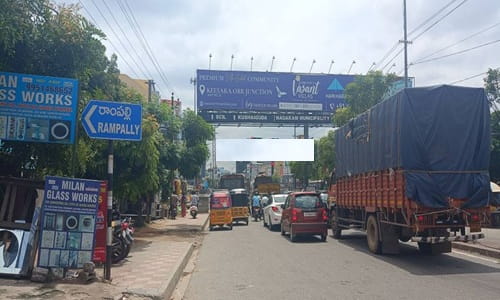
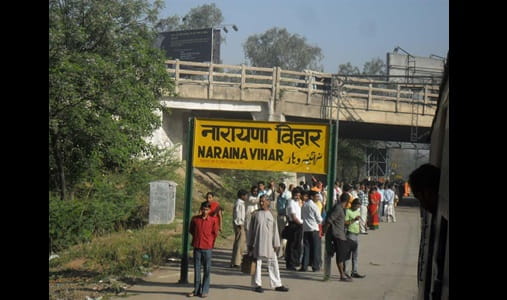
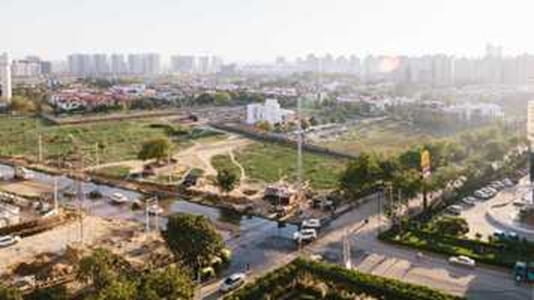
Salapur Khera is a developing village locality situated in the Greater Noida region of Uttar Pradesh. Over the years, the village has gradually transformed from a traditional agricultural settlement into a semi-urban area influenced by rapid infrastructure growth, residential expansion, and the development of nearby industrial and educational zones. Its proximity to Greater Noida and Delhi NCR has increased the importance of the village for both residential and commercial activities.
Today, Salapur Khera represents the changing landscape of villages around Greater Noida, where rural traditions continue to exist alongside modern roads, residential projects, and urban development.
Historical background of Salapur Khera Village
Earlier, Salapur Khera was mainly an agricultural village where farming and dairy activities formed the backbone of the local economy. Most families depended on crop cultivation, livestock, and small-scale local trade for their livelihood.
Life in the village was peaceful and strongly connected to traditional rural culture. Houses were generally independent village homes surrounded by open land and fields. Community gatherings, local festivals, and agricultural activities shaped daily life.
The transformation of Salapur Khera began when Greater Noida started emerging as a planned urban and industrial region. Large-scale infrastructure projects, expressways, educational institutions, and industrial parks brought rapid changes to nearby villages.
As development expanded outward from Noida and Greater Noida, Salapur Khera also witnessed:
- Improved road connectivity
- Residential growth
- Increasing land value
- Commercial activity
- Rising population movement
Although urbanization has changed much of the surrounding environment, the village still preserves many aspects of its traditional identity.
Location and strategic importance
Salapur Khera is strategically located within the Greater Noida region, which is one of the fastest-growing urban zones in the Delhi NCR area.
Nearby important areas include:
- Greater Noida sectors
- Knowledge Park
- Pari Chowk
- Dadri region
- Noida Extension corridors
Its location provides access to:
- Educational institutions
- Industrial hubs
- IT and office spaces
- Highway connectivity
- Residential developments
Because of this, the village has become increasingly important for:
- Students
- Working professionals
- Small business owners
- Real estate investors
- Families seeking affordable housing near NCR
Connectivity and transportation
Connectivity is one of the major strengths of Salapur Khera.
The village benefits from road networks connected to:
- Noida–Greater Noida Expressway routes
- Yamuna Expressway connectivity
- Greater Noida internal roads
- Delhi NCR highway corridors
Residents commonly use:
- Buses
- Shared autos
- E-rickshaws
- App-based taxis
- Personal vehicles
Delhi Metro and the expanding metro connectivity in Noida and Greater Noida regions have improved commuting options for nearby residents traveling toward Delhi and NCR business hubs.
The area also benefits from proximity to major road infrastructure projects that connect Greater Noida with Delhi, Ghaziabad, and other NCR regions.
Lifestyle and local atmosphere
Life in Salapur Khera reflects a combination of traditional village culture and modern suburban development.
Older residents continue maintaining agricultural traditions and close community relationships, while newer populations include:
- Students
- Corporate employees
- Industrial workers
- Migrant families
- Small entrepreneurs
The atmosphere is generally calmer compared to crowded city centers, but ongoing urbanization has made the locality increasingly active and populated.
Daily life includes:
- Local market activity
- Residential colony development
- Farming work in outer areas
- Student and office commuting
- Community festivals and gatherings
The village still retains a strong social structure where community ties remain important.
Economy and employment
The economy of Salapur Khera has diversified rapidly over the years.
Agriculture
Agriculture still exists in some parts of the village, although much farmland has gradually been converted into residential and commercial projects.
Employment in nearby urban hubs
Many residents work in:
- Greater Noida industries
- Educational institutions
- Construction projects
- Offices and IT companies in NCR
Local businesses
Commercial activity includes:
- Grocery stores
- Restaurants and tea stalls
- Building material shops
- Service centers
- Transportation-related businesses
The rise of Greater Noida as an educational and industrial center has created new employment opportunities for local residents.
Housing and real estate
Real estate development has become one of the biggest growth drivers in Salapur Khera.
Housing options include:
- Village homes
- Builder floors
- Apartments
- Rental rooms
- Residential plots
Compared to central Noida and Delhi, property prices remain relatively affordable, attracting:
- Students
- Working professionals
- Middle-class families
- Property investors
Many old village homes have been converted into rental accommodations because of increasing student and worker demand.
Markets and commercial activity
Daily life in Salapur Khera is supported by local shops and nearby commercial centers.
Residents have access to:
- Grocery stores
- Vegetable markets
- Medical shops
- Mobile and electronic stores
- Restaurants and cafés
For larger shopping needs, people often visit nearby Greater Noida commercial sectors and malls.
Commercial growth continues increasing because of rising population and nearby urban expansion.
Food culture and local cuisine
Food culture in Salapur Khera mainly reflects North Indian village traditions combined with NCR street-food influence.
Popular local foods include:
- Parathas
- Rajma chawal
- Chole bhature
- Samosas and kachori
- Tea and snacks from roadside stalls
Street food culture is growing rapidly because of nearby student populations and residential development.
Modern cafés and fast-food outlets are also gradually increasing in surrounding Greater Noida regions.
Education and healthcare
The village benefits significantly from nearby educational and healthcare infrastructure in Greater Noida.
Residents have access to:
- Government schools
- Private schools
- Colleges and universities
- Coaching institutes
Healthcare services include:
- Local clinics
- Medical stores
- Nearby multi-speciality hospitals
- Diagnostic centers in Greater Noida
Educational growth in the region has played a major role in increasing population movement around the village.
Challenges faced by Salapur Khera
Like many rapidly urbanizing villages, Salapur Khera also faces several challenges:
- Increasing traffic congestion
- Pressure on civic infrastructure
- Construction-related environmental changes
- Population growth
- Water and drainage management concerns
Urban planning and infrastructure upgrades are becoming increasingly important for sustainable development.
Future development
The future of Salapur Khera appears promising because of ongoing expansion in Greater Noida and Delhi NCR.
Future growth may include:
- Better roads and public transport
- Expanded residential projects
- More commercial establishments
- Improved civic facilities
- Greater integration with NCR infrastructure
Its location near educational institutions, industrial corridors, and expressways ensures continued residential and economic demand.
Conclusion
Salapur Khera is a strong example of how villages around Greater Noida are transforming into modern suburban communities. What was once mainly an agricultural settlement is now becoming a growing residential and commercial locality connected closely with the rapidly developing NCR region.
Even with modernization, the village continues to preserve aspects of its rural identity through local traditions, community culture, and village lifestyle. With improving connectivity, affordable housing, and expanding infrastructure, Salapur Khera is steadily emerging as an important developing locality near Greater Noida.