Thorrur is a developing village and town area in Telangana known for its traditional culture, agricultural background, and growing urban influence. Over the years, Thorrur has gradually transformed from a quiet rural settlement into a more active residential and commercial locality due to infrastructure growth, improved transportation, and regional economic development.
The village reflects the changing landscape of Telangana, where traditional farming communities are increasingly connected to modern roads, educational institutions, markets, and expanding urban opportunities. Even with modernization, Thorrur still maintains a strong connection with its rural roots, cultural traditions, and community-oriented lifestyle.
Historical background of Thorrur Village
Earlier, Thorrur was mainly dependent on agriculture and local trade. Farming formed the backbone of the local economy, and most families were involved in cultivating crops, dairy activities, and livestock rearing.
Life in the village was peaceful and closely tied to seasonal agricultural cycles. Residents followed traditional customs, participated in local festivals, and maintained strong social relationships within the community. Houses were mostly independent village homes surrounded by agricultural fields and open spaces.
Like many settlements in Telangana, Thorrur slowly began changing as road connectivity and regional development projects improved nearby infrastructure. Educational institutions, markets, transport facilities, and commercial activities gradually increased in and around the locality.
Urbanization and migration also brought modern influences into the village while preserving many traditional cultural elements.
Location and strategic importance
Thorrur holds regional importance because of its connectivity to nearby towns and developing areas within Telangana.
The locality connects surrounding rural communities with:
- Educational centers
- Local markets
- Transport routes
- Commercial activities
- Agricultural trade networks
Its location supports both rural and semi-urban lifestyles, making it important for:
- Farmers
- Students
- Small business owners
- Government employees
- Working families
As Telangana continues expanding its infrastructure and road networks, areas like Thorrur are becoming increasingly connected with larger economic corridors.
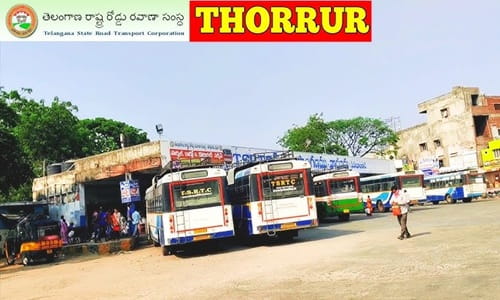
Connectivity and transportation
Connectivity around Thorrur has improved steadily over the years.
Residents commonly use:
- TSRTC bus services
- Auto-rickshaws
- Shared transport vehicles
- Personal motorcycles and cars
Road connectivity links the village with nearby towns and district centers, making travel easier for education, business, healthcare, and employment purposes.
Improved transportation infrastructure has also supported:
- Agricultural trade
- Commercial movement
- Daily commuting
- Access to nearby urban facilities
Although public transport is available, many residents still rely heavily on personal vehicles for daily travel.
Lifestyle and local atmosphere
Life in Thorrur remains deeply connected to traditional Telangana village culture.
Residents continue celebrating:
- Local religious festivals
- Cultural fairs
- Harvest celebrations
- Community gatherings
The lifestyle is generally slower and more peaceful compared to major cities. Community relationships remain strong, and people often know each other personally within neighborhoods and village areas.
At the same time, modern influences are increasingly visible through:
- New residential buildings
- Educational institutions
- Mobile connectivity
- Commercial shops and businesses
Daily life in the village includes:
- Farming activities
- Market visits
- School and college commuting
- Local business operations
- Social gatherings during evenings and festivals
Economy and employment
The economy of Thorrur is supported by multiple sectors.
Agriculture
Agriculture remains one of the most important occupations. Farmers cultivate crops depending on seasonal conditions and irrigation facilities.
Common agricultural activities include:
- Paddy cultivation
- Cotton farming
- Vegetable farming
- Dairy-related work
Local businesses
The village also supports:
- Grocery shops
- Agricultural supply stores
- Tea stalls and eateries
- Small retail businesses
- Service-related establishments
Employment in nearby towns
Many residents travel to nearby towns and urban centers for:
- Government jobs
- Educational work
- Construction employment
- Private-sector opportunities
The younger population is increasingly connected to education and urban employment sectors.
Housing and real estate
Housing in Thorrur includes both traditional village homes and newer residential developments.
The area offers:
- Independent houses
- Residential plots
- Rental accommodations
- Newly constructed homes
As infrastructure improves, land value and housing demand are gradually increasing.
Compared to large cities, living costs remain relatively affordable, making the locality attractive for:
- Local families
- Retired residents
- Small business owners
- People preferring peaceful surroundings
Markets and commercial activity
Local markets play an important role in daily life in Thorrur.
Residents have access to:
- Grocery stores
- Vegetable markets
- Medical shops
- Clothing stores
- Agricultural supply centers
Weekly markets and local bazaars remain important for nearby rural communities as well.
Commercial growth has increased gradually because of population movement and improving road connectivity.
Food culture and local cuisine
Food culture in Thorrur reflects traditional Telangana flavors and village-style cooking.
Popular local foods include:
- Rice-based meals
- Telangana curries
- Dal and vegetable dishes
- Mirchi bajji
- Idli and dosa
- Homemade pickles and chutneys
Tea stalls and small eateries are popular gathering places for local residents.
Festivals and celebrations often include traditional Telangana sweets and special homemade dishes.
Education and healthcare
Educational and healthcare infrastructure around Thorrur has improved significantly over time.
Residents have access to:
- Government schools
- Private schools
- Junior colleges
- Coaching centers
Healthcare facilities include:
- Primary health centers
- Clinics
- Pharmacies
- Nearby hospitals in larger towns
Improved transportation has made healthcare and educational access easier for surrounding villages as well.
Challenges faced by Thorrur
Like many developing rural regions, Thorrur faces several challenges:
- Seasonal dependence on agriculture
- Water management issues in some areas
- Need for further infrastructure development
- Employment migration toward cities
- Traffic increase due to regional growth
At the same time, ongoing development projects continue improving local facilities and connectivity.
Future development
The future of Thorrur appears promising due to increasing regional development in Telangana.
Future improvements may include:
- Better roads and transportation
- Expanded educational infrastructure
- More commercial opportunities
- Improved healthcare services
- Greater residential and business development
As urban growth spreads toward smaller towns and villages, Thorrur is expected to benefit from improved economic activity and infrastructure investment.
Conclusion
Thorrur is a growing village locality that successfully combines traditional Telangana culture with modern development. While agriculture and community traditions still remain important, the area is steadily evolving through better connectivity, educational growth, and commercial activity.
With its peaceful lifestyle, improving infrastructure, and strong cultural roots, Thorrur continues to emerge as an important developing locality within Telangana’s expanding regional landscape.