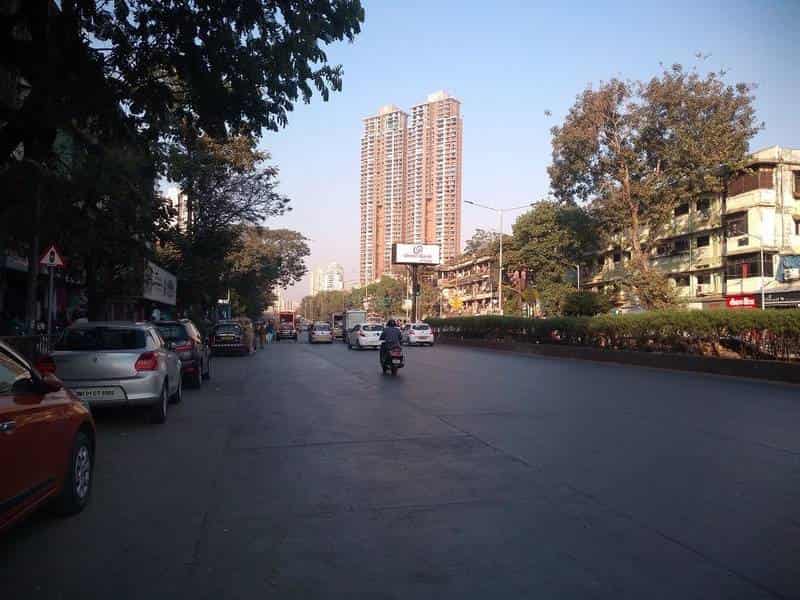
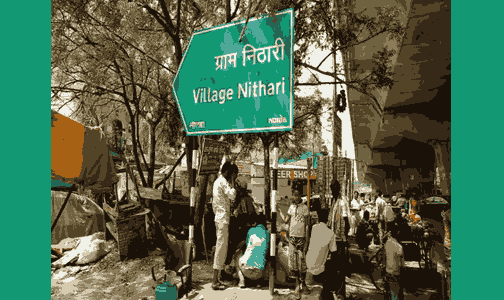
Ambrahi is a well-known urban village located in South West Delhi near Dwarka. Over the years, Ambrahi has transformed from a traditional rural settlement into a densely populated urban locality surrounded by modern residential sectors, commercial markets, schools, and metro connectivity. Even though large-scale development has changed the appearance of the area, the village still carries traces of its old community culture and traditional lifestyle.
Today, Ambrahi is considered an important part of the Dwarka region because of its strategic location, affordable housing options, and proximity to major roads and metro stations.
Historical background of Ambrahi Village
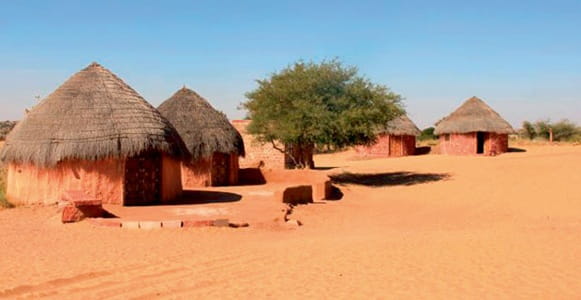
Earlier, Ambrahi was a small agricultural village where most families depended on farming, dairy work, and local trade for their livelihood. Like many old villages of Delhi, the area had open land, farms, ponds, and simple houses built around close-knit communities.
Life in the village was peaceful and strongly connected to rural traditions. People knew each other personally, festivals were celebrated collectively, and agriculture formed the backbone of the local economy.
The transformation of Ambrahi began when Delhi started expanding rapidly toward the south-western side of the city. The development of Dwarka as a planned sub-city completely changed the surrounding landscape. Agricultural land was gradually acquired for roads, residential sectors, schools, and infrastructure projects.
As Dwarka developed into one of Delhi’s most modern residential zones, Ambrahi also started urbanizing quickly. Today, most of the surrounding area is fully developed, although older village lanes and traditional houses still preserve the memory of its rural past.
Location and importance
Ambrahi is located close to Dwarka, making it one of the strategically positioned urban villages in South West Delhi.
Nearby important areas include:
- Dwarka Sector 19
- Dwarka Sector 10
- Palam
- Najafgarh Road region
- Dabri and Janakpuri side connections
Its location gives residents easy access to both residential and commercial zones. Because Dwarka is one of Delhi’s largest planned residential hubs, Ambrahi benefits from strong infrastructure, nearby educational institutions, and transportation facilities.
The area is especially important for:
- Working professionals
- Students
- Families looking for affordable housing
- People working near Dwarka and IGI Airport
Connectivity and transport
Connectivity is one of the major strengths of Ambrahi Village.
Delhi Metro has greatly improved accessibility in the area. Nearby metro stations in Dwarka connect Ambrahi to major parts of Delhi including:
- Connaught Place
- Rajiv Chowk
- Noida
- Gurgaon
- Central Delhi
Road connectivity is also excellent due to the planned road network of Dwarka. Major roads nearby connect the village with:
- Dwarka Express routes
- Najafgarh Road
- Palam area
- IGI Airport
Residents commonly use:
- Metro services
- DTC buses
- Auto-rickshaws
- E-rickshaws
- App-based taxi services
Because of the nearby airport and Dwarka business activity, transport movement remains active throughout the day.
Lifestyle and local atmosphere
Life in Ambrahi reflects a combination of old village culture and modern urban living.
Older residents still maintain strong social connections and community traditions, while newer residents include working professionals, students, and migrant families who have moved here because of affordable rental options.
The atmosphere is generally busy but more residential compared to heavily commercial parts of Delhi. Mornings usually begin with office and school traffic, while evenings become lively around local shops, food stalls, and markets.
One interesting feature of Ambrahi is the contrast between:
- Traditional village lanes
- Modern apartments and builder floors
- Nearby planned Dwarka sectors
This creates a unique urban-village environment where old and new Delhi lifestyles exist together.
Housing and real estate
Real estate in Ambrahi has grown significantly due to its location near Dwarka.
The area offers:
- Rental rooms
- Builder floors
- Small apartments
- Independent houses
Compared to planned sectors of Dwarka, housing in Ambrahi is often more affordable, which attracts:
- Students
- Office workers
- Small families
- Airport employees
Rental demand is consistently high because many people prefer living close to metro stations and commercial areas without paying the higher costs of premium Dwarka sectors.
Over the years, many old village houses have been redeveloped into multi-storey buildings to accommodate increasing population demand.
Markets and daily life
Daily life in Ambrahi is supported by local markets and nearby commercial sectors of Dwarka.
Residents have access to:
- Grocery stores
- Vegetable markets
- Medical shops
- Salons and repair shops
- Small restaurants and tea stalls
For larger shopping needs, people often visit nearby Dwarka markets and malls. These provide access to branded stores, supermarkets, cinemas, and entertainment spaces.
The area remains active throughout the day because of constant local movement and nearby residential density.
Food culture
Food in Ambrahi mainly reflects Delhi’s street-food culture mixed with local North Indian taste.
Popular foods include:
- Chole bhature
- Golgappa
- Momos
- Parathas
- Samosas
- Tea and snacks from local stalls
Small eateries and dhabas serve affordable meals for students and working professionals. Nearby Dwarka sectors also offer cafés, restaurants, and fast-food outlets for modern dining experiences.
Street food stalls become especially active during evening hours when residents gather after work and college.
Education and healthcare
Ambrahi benefits greatly from its proximity to Dwarka, which is known for having good educational and healthcare facilities.
Nearby schools and colleges attract students from surrounding areas. Coaching centers and tuition institutes are also common due to the growing student population.
Healthcare facilities include:
- Local clinics
- Private hospitals in Dwarka
- Medical stores and diagnostic centers
Residents can access advanced healthcare services without traveling far.
Challenges faced by Ambrahi
Like many urban villages in Delhi, Ambrahi also faces some challenges:
- Population density
- Narrow internal lanes in older sections
- Parking issues
- Traffic congestion during peak hours
- Pressure on civic infrastructure due to rapid growth
Despite these issues, the area continues developing because of its strong location advantage.
Future development
The future of Ambrahi looks promising due to ongoing infrastructure growth in Dwarka and surrounding areas.
Future improvements may include:
- Better roads and drainage
- Redevelopment of older structures
- Improved parking and public facilities
- Increased commercial opportunities
Its location near Dwarka and the airport ensures that demand for housing and services will likely continue growing.
Conclusion
Ambrahi is a strong example of Delhi’s urban transformation. What was once a quiet agricultural village has now become a busy residential locality connected to one of the capital’s most modern regions.
Even though urbanization has changed much of its landscape, Ambrahi still carries elements of its village identity through its community culture, local markets, and traditional surroundings. With metro connectivity, affordable housing, and proximity to Dwarka, it continues to be an important and growing urban village in South West Delhi.
Ambrahi is a well-known urban village located in South West Delhi near Dwarka. Over the years, Ambrahi has transformed from a traditional rural settlement into a densely populated urban locality surrounded by modern residential sectors, commercial markets, schools, and metro connectivity. Even though large-scale development has changed the appearance of the area, the village still carries traces of its old community culture and traditional lifestyle.
Today, Ambrahi is considered an important part of the Dwarka region because of its strategic location, affordable housing options, and proximity to major roads and metro stations.
Historical background of Ambrahi Village
Earlier, Ambrahi was a small agricultural village where most families depended on farming, dairy work, and local trade for their livelihood. Like many old villages of Delhi, the area had open land, farms, ponds, and simple houses built around close-knit communities.
Life in the village was peaceful and strongly connected to rural traditions. People knew each other personally, festivals were celebrated collectively, and agriculture formed the backbone of the local economy.
The transformation of Ambrahi began when Delhi started expanding rapidly toward the south-western side of the city. The development of Dwarka as a planned sub-city completely changed the surrounding landscape. Agricultural land was gradually acquired for roads, residential sectors, schools, and infrastructure projects.
As Dwarka developed into one of Delhi’s most modern residential zones, Ambrahi also started urbanizing quickly. Today, most of the surrounding area is fully developed, although older village lanes and traditional houses still preserve the memory of its rural past.
Location and importance
Ambrahi is located close to Dwarka, making it one of the strategically positioned urban villages in South West Delhi.
Nearby important areas include:
- Dwarka Sector 19
- Dwarka Sector 10
- Palam
- Najafgarh Road region
- Dabri and Janakpuri side connections
Its location gives residents easy access to both residential and commercial zones. Because Dwarka is one of Delhi’s largest planned residential hubs, Ambrahi benefits from strong infrastructure, nearby educational institutions, and transportation facilities.
The area is especially important for:
- Working professionals
- Students
- Families looking for affordable housing
- People working near Dwarka and IGI Airport
Connectivity and transport
Connectivity is one of the major strengths of Ambrahi Village.
Delhi Metro has greatly improved accessibility in the area. Nearby metro stations in Dwarka connect Ambrahi to major parts of Delhi including:
- Connaught Place
- Rajiv Chowk
- Noida
- Gurgaon
- Central Delhi
Road connectivity is also excellent due to the planned road network of Dwarka. Major roads nearby connect the village with:
- Dwarka Express routes
- Najafgarh Road
- Palam area
- IGI Airport
Residents commonly use:
- Metro services
- DTC buses
- Auto-rickshaws
- E-rickshaws
- App-based taxi services
Because of the nearby airport and Dwarka business activity, transport movement remains active throughout the day.
Lifestyle and local atmosphere
Life in Ambrahi reflects a combination of old village culture and modern urban living.
Older residents still maintain strong social connections and community traditions, while newer residents include working professionals, students, and migrant families who have moved here because of affordable rental options.
The atmosphere is generally busy but more residential compared to heavily commercial parts of Delhi. Mornings usually begin with office and school traffic, while evenings become lively around local shops, food stalls, and markets.
One interesting feature of Ambrahi is the contrast between:
- Traditional village lanes
- Modern apartments and builder floors
- Nearby planned Dwarka sectors
This creates a unique urban-village environment where old and new Delhi lifestyles exist together.
Housing and real estate
Real estate in Ambrahi has grown significantly due to its location near Dwarka.
The area offers:
- Rental rooms
- Builder floors
- Small apartments
- Independent houses
Compared to planned sectors of Dwarka, housing in Ambrahi is often more affordable, which attracts:
- Students
- Office workers
- Small families
- Airport employees
Rental demand is consistently high because many people prefer living close to metro stations and commercial areas without paying the higher costs of premium Dwarka sectors.
Over the years, many old village houses have been redeveloped into multi-storey buildings to accommodate increasing population demand.
Markets and daily life
Daily life in Ambrahi is supported by local markets and nearby commercial sectors of Dwarka.
Residents have access to:
- Grocery stores
- Vegetable markets
- Medical shops
- Salons and repair shops
- Small restaurants and tea stalls
For larger shopping needs, people often visit nearby Dwarka markets and malls. These provide access to branded stores, supermarkets, cinemas, and entertainment spaces.
The area remains active throughout the day because of constant local movement and nearby residential density.
Food culture
Food in Ambrahi mainly reflects Delhi’s street-food culture mixed with local North Indian taste.
Popular foods include:
- Chole bhature
- Golgappa
- Momos
- Parathas
- Samosas
- Tea and snacks from local stalls
Small eateries and dhabas serve affordable meals for students and working professionals. Nearby Dwarka sectors also offer cafés, restaurants, and fast-food outlets for modern dining experiences.
Street food stalls become especially active during evening hours when residents gather after work and college.
Education and healthcare
Ambrahi benefits greatly from its proximity to Dwarka, which is known for having good educational and healthcare facilities.
Nearby schools and colleges attract students from surrounding areas. Coaching centers and tuition institutes are also common due to the growing student population.
Healthcare facilities include:
- Local clinics
- Private hospitals in Dwarka
- Medical stores and diagnostic centers
Residents can access advanced healthcare services without traveling far.
Challenges faced by Ambrahi
Like many urban villages in Delhi, Ambrahi also faces some challenges:
- Population density
- Narrow internal lanes in older sections
- Parking issues
- Traffic congestion during peak hours
- Pressure on civic infrastructure due to rapid growth
Despite these issues, the area continues developing because of its strong location advantage.
Future development
The future of Ambrahi looks promising due to ongoing infrastructure growth in Dwarka and surrounding areas.
Future improvements may include:
- Better roads and drainage
- Redevelopment of older structures
- Improved parking and public facilities
- Increased commercial opportunities
Its location near Dwarka and the airport ensures that demand for housing and services will likely continue growing.
Conclusion
Ambrahi is a strong example of Delhi’s urban transformation. What was once a quiet agricultural village has now become a busy residential locality connected to one of the capital’s most modern regions.
Even though urbanization has changed much of its landscape, Ambrahi still carries elements of its village identity through its community culture, local markets, and traditional surroundings. With metro connectivity, affordable housing, and proximity to Dwarka, it continues to be an important and growing urban village in South West Delhi.