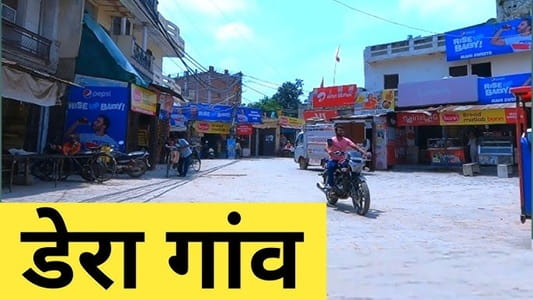
Babupur is a traditional Indian village known for its rural atmosphere, agricultural background, and close community lifestyle. Like many villages across India, Babupur represents a blend of traditional culture and gradual modernization. Over the years, the village has seen improvements in transportation, education, communication, and infrastructure while continuing to preserve its cultural identity and village traditions.
The peaceful environment, agricultural surroundings, and strong social relationships make Babupur different from crowded urban areas. Even with changing lifestyles and modern facilities, the village continues to maintain its traditional roots and community-based way of life.

Historical background of Babupur Village
Babupur has historically been associated with farming and village-based occupations. Agriculture was the primary source of livelihood for most families living in the village. Residents cultivated crops according to seasonal weather conditions and depended heavily on agriculture for income and daily life.
Earlier, village life was simple and closely connected to nature. Most homes were traditional independent houses surrounded by open fields, trees, and agricultural land. People lived in joint families, and social relationships within the community were very strong.
The daily lifestyle revolved around:
- Farming activities
- Livestock care
- Religious functions
- Village markets
- Community gatherings
As nearby towns and cities expanded, Babupur gradually experienced modernization through:
- Better roads
- Electricity connections
- Mobile and internet access
- Educational growth
- Improved transportation facilities
Despite these changes, the village still preserves much of its traditional atmosphere and cultural heritage.
Location and geographical surroundings
Babupur is surrounded by a typical rural Indian landscape that may include:
- Agricultural fields
- Village roads
- Open green spaces
- Trees and ponds
- Small local markets
The environment is generally peaceful and less polluted compared to large cities. Natural surroundings and open spaces create a calm atmosphere suitable for farming and rural living.
Nearby towns and market areas help residents access:
- Commercial facilities
- Educational institutions
- Healthcare services
- Government offices
- Transportation routes
The geographical setting supports both agriculture and residential development.
Lifestyle and village culture
Life in Babupur reflects traditional Indian village culture where family values and community relationships remain very important.
Residents actively participate in:
- Religious festivals
- Community celebrations
- Marriage ceremonies
- Local fairs and cultural events
The lifestyle is generally simple and community-oriented. Many traditions followed by older generations continue to remain important even today.
Daily life in the village often includes:
- Agricultural work
- Household activities
- Market visits
- School and college commuting
- Evening social gatherings
People in the village usually maintain strong personal relationships and support each other during social and family events.
Economy and employment
The economy of Babupur mainly depends on agriculture and local business activities.
Agriculture
Farming continues to play an important role in the village economy. Common agricultural activities may include:
- Wheat cultivation
- Paddy farming
- Vegetable farming
- Dairy and livestock work
Seasonal farming cycles influence both employment and local trade.
Local businesses
The village also supports small businesses such as:
- Grocery shops
- Tea stalls
- Agricultural supply stores
- Mobile recharge and repair shops
- Transportation services
Employment outside the village
Many younger residents now travel to nearby towns and cities for:
- Government jobs
- Private-sector work
- Construction employment
- Educational opportunities
Modern education and better transportation have increased employment possibilities for village youth.
Housing and infrastructure
Housing in Babupur includes both traditional homes and newer residential structures.
The village may have:
- Independent village houses
- Cement-built modern homes
- Small residential colonies
- Rental accommodations in some areas
Infrastructure has improved gradually through:
- Better roads
- Electricity supply
- Water connections
- Mobile network access
Government rural development programs have also contributed to improving civic facilities in many villages like Babupur.
Connectivity and transportation
Transportation facilities around Babupur have improved over time.
Residents commonly use:
- Local buses
- Shared autos
- Motorcycles
- Private vehicles
Road connectivity links the village with nearby:
- Markets
- Schools and colleges
- Hospitals
- Railway stations
- Town centers
Improved roads and transport services have made daily commuting easier for students and working professionals.
In many rural areas, motorcycles remain one of the most common modes of transportation.
Education and healthcare
Educational awareness in Babupur has increased significantly over the years.
Residents may have access to:
- Government schools
- Private schools
- Coaching institutes
- Colleges in nearby towns
Healthcare facilities generally include:
- Local clinics
- Medical stores
- Primary health centers
- Nearby hospitals in urban areas
Improved connectivity has helped villagers access better healthcare and educational facilities.
Food culture and local cuisine
Food culture in Babupur reflects traditional Indian village cooking styles.
Popular local foods may include:
- Roti and sabzi
- Dal and rice
- Seasonal vegetables
- Homemade pickles
- Traditional sweets during festivals
Tea stalls and small local eateries are common social gathering spots in the village.
Fresh ingredients from nearby farms often play an important role in daily cooking.
Festivals and community celebrations
Festivals are an important part of social life in Babupur Village.
Residents celebrate:
- Diwali
- Holi
- Navratri
- Eid in some communities
- Harvest festivals
- Local religious fairs
Community participation during festivals helps strengthen social relationships and preserve village traditions.
Traditional music, food, and cultural activities remain important during celebrations.
Challenges faced by the village
Like many rural areas, Babupur faces several challenges:
- Agricultural dependence on weather conditions
- Need for better infrastructure in some areas
- Employment migration toward cities
- Water management issues
- Requirement for more healthcare and educational facilities
At the same time, ongoing development projects continue improving rural infrastructure and public services.
Future development
The future of Babupur appears promising due to increasing rural development and modernization.
Future improvements may include:
- Better road networks
- Improved schools and colleges
- Enhanced healthcare facilities
- Growth of local businesses
- Better internet and digital connectivity
Government schemes and urban expansion in nearby regions may further improve economic opportunities and infrastructure.
Conclusion
Babupur is a peaceful village that reflects the traditional charm and cultural richness of rural India. While agriculture and community traditions still remain important, the village is steadily progressing through improved education, transportation, and infrastructure development.
Its calm environment, strong social relationships, and developing facilities make Babupur an example of how Indian villages are balancing traditional lifestyles with modern growth and opportunities.