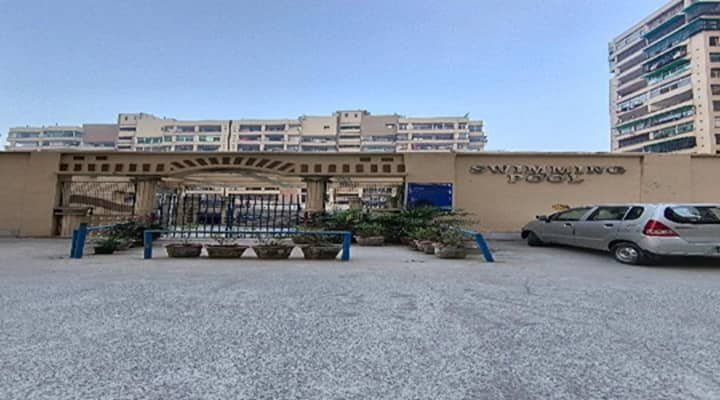
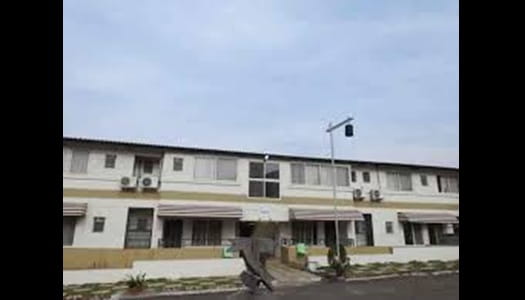
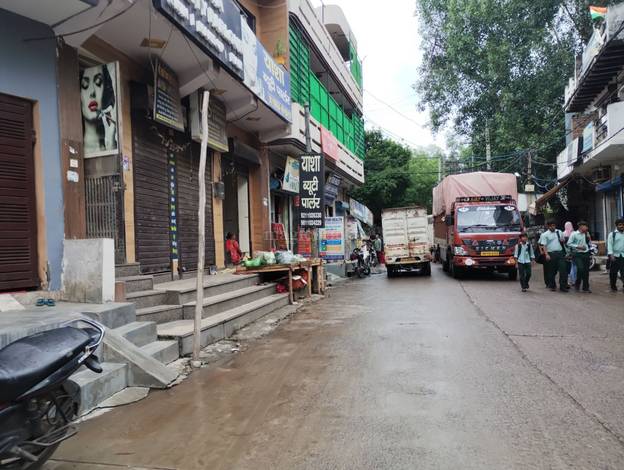
Katai is a growing village locality known for its peaceful environment, developing infrastructure, and blend of traditional rural culture with modern urban influence. Like many villages located near expanding towns and industrial regions, Katai has gradually transformed over the years while still preserving its village identity and community lifestyle.
The village is recognized for its agricultural background, residential growth, and improving transportation facilities. Even with increasing modernization, Katai continues to reflect the simplicity and cultural richness of rural Maharashtra.
Historical background of Katai Village
Earlier, Katai was primarily an agricultural settlement where farming and livestock activities formed the main source of livelihood for local residents.
Families traditionally depended on:
- Crop cultivation
- Dairy farming
- Small village businesses
- Local trade and labour work
Village life was simple and closely connected to nature. Traditional homes, open fields, village roads, and community gatherings shaped the social atmosphere of the area.
Residents celebrated local festivals and cultural events together, strengthening social relationships and maintaining village traditions. Farming seasons and local markets played an important role in daily life.
As nearby towns and industrial regions started developing, Katai also experienced gradual changes through:
- Better roads
- Improved electricity supply
- Residential development
- Transportation growth
- Commercial expansion
Today, the village reflects a mix of traditional rural life and modern suburban development.
Location and geographical importance
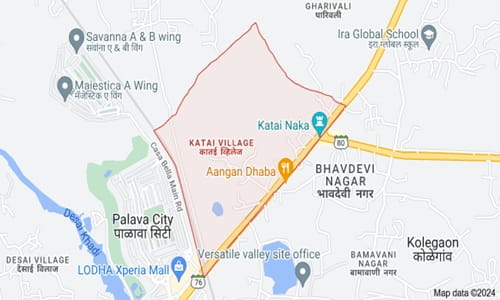
Katai holds importance because of its connectivity with nearby urban and industrial areas.
The locality is surrounded by:
- Residential settlements
- Agricultural land
- Local markets
- Developing commercial regions
Its strategic location provides access to:
- Nearby towns and cities
- Industrial employment zones
- Educational institutions
- Healthcare facilities
- Transportation networks
Because of improving infrastructure, Katai is becoming increasingly attractive for:
- Families
- Working professionals
- Small business owners
- Daily commuters
Natural surroundings and atmosphere
One of the major attractions of Katai is its peaceful and relatively less crowded atmosphere.
The village environment may include:
- Open spaces
- Green fields
- Trees and natural surroundings
- Local water bodies in some areas
Compared to highly crowded city centers, Katai offers:
- Cleaner surroundings
- Calmer residential life
- Less traffic in inner village areas
- A more relaxed lifestyle
Morning and evening village life often reflects a slower and more peaceful pace compared to urban regions.
Lifestyle and village culture
Life in Katai reflects traditional Maharashtrian village culture mixed with modern urban influence.
Residents continue participating in:
- Religious festivals
- Village fairs
- Community celebrations
- Marriage ceremonies
- Cultural programs
The lifestyle is generally family-oriented and community-focused. Respect for traditions and local customs still remains important among many families.
Daily life may include:
- Farming-related work
- Office and industrial commuting
- Household activities
- Local market shopping
- Community interaction
Traditional social values continue playing an important role in village life.
Economy and employment
The economy of Katai has diversified over time.
Agriculture
Some residents still depend on:
- Farming
- Vegetable cultivation
- Dairy activities
- Livestock work
Urban and industrial employment
Many villagers now work in:
- Nearby factories and industries
- Transportation services
- Retail businesses
- Construction work
- Private offices and service industries
Local businesses
The village also supports:
- Grocery stores
- Tea stalls
- Small restaurants
- Medical shops
- Daily utility businesses
Urban growth and nearby industrial development have increased employment opportunities for local residents.
Housing and infrastructure
Housing development in Katai has increased steadily over recent years.
The area includes:
- Traditional village homes
- Cement-built independent houses
- Rental accommodations
- Residential buildings in developing areas
Infrastructure improvements include:
- Better roads
- Electricity supply
- Water availability
- Mobile and internet connectivity
Government rural development and nearby urban expansion have supported infrastructure growth.
Connectivity and transportation
Transportation facilities around Katai have improved significantly.
Residents commonly use:
- Local buses
- Auto-rickshaws
- Shared transport services
- Motorcycles and private vehicles
Road connectivity links the village with:
- Nearby towns
- Industrial areas
- Schools and colleges
- Markets and hospitals
Improved transportation has made commuting easier for workers and students.
Education and healthcare
Educational awareness in Katai has improved gradually with better access to schools and colleges.
Residents may have access to:
- Government schools
- Private educational institutions
- Coaching centers
- Colleges in nearby towns
Healthcare facilities generally include:
- Clinics
- Medical stores
- Diagnostic centers
- Nearby hospitals and healthcare centers
Improved transportation and communication have made healthcare access more convenient.
Food culture and local cuisine
Food culture in Katai reflects traditional Maharashtrian flavors and local village cooking styles.
Popular foods may include:
- Bhakri and vegetables
- Dal-rice meals
- Vada pav
- Misal pav
- Poha and snacks
- Homemade pickles and chutneys
Tea stalls and local food outlets are important gathering spots for villagers.
Fresh ingredients and homemade cooking remain common in daily meals.
Festivals and celebrations
Festivals are celebrated with enthusiasm in Katai Village.
Residents commonly celebrate:
- Ganesh Chaturthi
- Diwali
- Holi
- Navratri
- Local temple festivals and fairs
Community participation during festivals strengthens social unity and preserves cultural traditions.
Traditional music, decorations, food, and social gatherings are important parts of celebrations.
Challenges faced by the village
Like many developing villages, Katai also faces certain challenges:
- Rapid urbanization pressure
- Traffic growth in nearby areas
- Infrastructure expansion needs
- Environmental concerns due to construction activities
- Employment competition for youth
Balancing development with environmental and cultural preservation remains important.
Future development
The future of Katai appears promising because of ongoing regional development and infrastructure growth.
Future improvements may include:
- Better roads and transport systems
- More residential projects
- Improved healthcare and educational facilities
- Commercial and business expansion
- Enhanced digital connectivity
Its strategic location near developing urban and industrial regions may further increase residential and economic opportunities.
Conclusion
Katai is a peaceful and developing village locality that reflects the transition from traditional rural life to modern suburban growth. While agriculture and village traditions still remain part of its identity, the area is steadily progressing through better infrastructure, connectivity, and employment opportunities.
With its calm environment, improving facilities, and strong community culture, Katai continues to emerge as an important developing locality in Maharashtra.