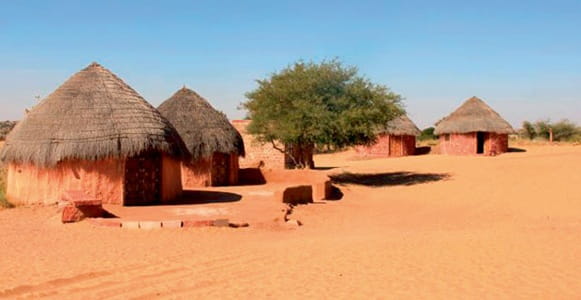
Khera Kalan is a historic urban village located in the northern part of Delhi near the Narela region. The village is known for its agricultural roots, traditional rural culture, and growing urban development due to the rapid expansion of Delhi toward its outer regions. Over the years, Khera Kalan has transformed from a quiet farming settlement into a developing residential and semi-urban locality connected to major industrial and transport corridors.
Even today, the village maintains a strong community identity while adapting to modern infrastructure, roads, and nearby industrial growth.
Historical background of Khera Kalan
The history of Khera Kalan is closely connected to Delhi’s traditional rural belt. Earlier, the area was primarily dependent on agriculture, dairy farming, and local trade. Villagers cultivated crops such as wheat, mustard, and vegetables, while cattle rearing formed an important part of daily life.
Like many old villages around Delhi, life in Khera Kalan was centered around farming seasons, local temples, community gatherings, and traditional family structures. Houses were simple, roads were narrow, and the village atmosphere was peaceful and deeply rooted in rural culture.
As Delhi expanded rapidly during the late 20th century, nearby areas such as Narela, Bawana, and Alipur began witnessing industrial and infrastructural development. This urban growth gradually changed the surrounding landscape of Khera Kalan as agricultural land started giving way to roads, warehouses, factories, and residential construction.
Despite modernization, many families in the village still maintain strong ties to their traditional lifestyle and community customs.
Location and importance
Khera Kalan is strategically located in North Delhi near important industrial and transport corridors.
Nearby important areas include:
- Narela
- Alipur
- Bawana
- Singhu Border
- Kundli (Haryana)
Its location makes it important for both residential and commercial activity because it connects Delhi with Haryana through major road routes.
The area is especially significant for:
- Industrial workers
- Farmers and landowners
- Transport businesses
- Families seeking affordable housing in North Delhi
The growing development around Narela and nearby industrial zones has increased the importance of Khera Kalan in recent years.
Connectivity and transportation
Connectivity has improved significantly in and around Khera Kalan due to road development and expanding transport infrastructure.
The village is connected through major roads leading toward:
- GT Karnal Road
- Narela
- Bawana Industrial Area
- Outer Delhi routes
Residents commonly use:
- DTC buses
- Auto-rickshaws
- E-rickshaws
- Private vehicles
- Taxi services
Delhi Metro connectivity is available through nearby metro routes and expanding transport projects in North Delhi. Residents often use metro stations in nearby developed areas for daily commuting toward central Delhi and NCR regions.
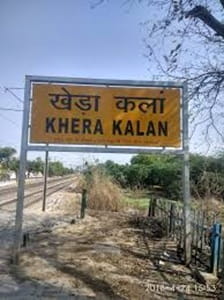
Railway access through Narela and surrounding stations also supports transportation and logistics activity.
Lifestyle and daily life
Life in Khera Kalan reflects a mix of traditional rural culture and modern urban influence.
Older generations still follow many village traditions, including:
- Community festivals
- Agricultural practices
- Traditional food habits
- Social gatherings
At the same time, younger residents are increasingly connected to urban employment, education, and modern lifestyles due to nearby industrial and commercial growth.
Daily life in the village usually includes:
- Local market activity
- Farming work in outer areas
- Commuting to nearby factories and offices
- Community interaction in village lanes and public spaces
The overall atmosphere remains more peaceful compared to crowded central Delhi areas.
Economy and employment
The economy of Khera Kalan has gradually diversified over the years.
Agriculture
Agriculture still remains important in outer sections of the village. Farmers continue cultivating crops and maintaining dairy-related activities.
Industrial employment
Many residents now work in nearby:
- Bawana Industrial Area
- Narela Industrial Region
- Warehousing and logistics centers
Local businesses
The village also supports:
- Grocery shops
- Hardware stores
- Vehicle repair services
- Tea stalls and eateries
- Transport-related businesses
Because of nearby industrial zones, employment opportunities have increased significantly compared to earlier decades.
Housing and real estate
Real estate development in Khera Kalan has increased steadily because of North Delhi’s outward expansion.
Housing options include:
- Traditional village homes
- Builder floors
- Rental rooms
- Independent houses
Compared to central Delhi, housing remains relatively affordable, attracting:
- Industrial workers
- Small business owners
- Migrant families
- Long-term property investors
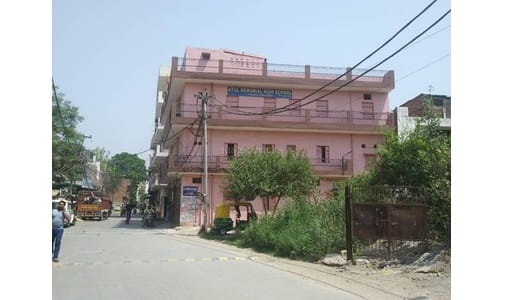
Some older homes have been redeveloped into multi-storey buildings to accommodate growing population demand.
Markets and local facilities
Daily needs in Khera Kalan are fulfilled through local markets and nearby commercial areas.
Residents have access to:
- Grocery shops
- Vegetable vendors
- Medical stores
- Hardware and utility shops
- Local eateries
For larger shopping needs, people often visit:
- Narela markets
- Alipur commercial areas
- Nearby industrial market zones
The village economy remains highly active because of local movement and surrounding industrial development.
Food culture
Food culture in Khera Kalan reflects traditional North Indian village taste combined with Delhi-style street food.
Common local foods include:
- Roti, dal, and sabzi
- Rajma chawal
- Parathas with curd
- Chole bhature
- Samosas and pakoras
Tea stalls and roadside dhabas are important social gathering spots where residents spend time during evenings.
The influence of nearby urban areas has also introduced fast food and café-style eateries in surrounding regions.
Education and healthcare
The village has access to both government and private educational facilities in nearby areas.
Residents benefit from:
- Government schools
- Private schools near Narela
- Coaching institutes
- Nearby colleges and training centers
Healthcare services include:
- Local clinics
- Government health centers
- Hospitals in Narela and nearby North Delhi regions
As urbanization increases, healthcare and educational infrastructure continue improving.
Challenges faced by Khera Kalan
Like many developing urban villages, Khera Kalan faces several challenges:
- Traffic congestion on connecting roads
- Pressure on infrastructure due to rapid growth
- Population increase
- Parking and drainage issues in some areas
- Environmental pressure from industrial activity
However, ongoing infrastructure projects continue improving connectivity and civic services.
Future development
The future of Khera Kalan appears promising because of nearby industrial and transport expansion.
Future development may include:
- Better roads and public transport
- Increased commercial activity
- More residential projects
- Improved civic infrastructure
- Greater integration with Delhi NCR growth corridors
Its location near industrial hubs ensures long-term economic and residential demand.
Conclusion
Khera Kalan represents the changing face of Delhi’s outer rural belt. What was once primarily a farming village has now become a developing urban locality connected to industrial zones, transport routes, and residential expansion.
Even with modernization, the village still retains its traditional roots through community culture, agricultural history, and local lifestyle. With improving infrastructure, affordable housing, and strategic connectivity, Khera Kalan continues to grow as an important village area in North Delhi.