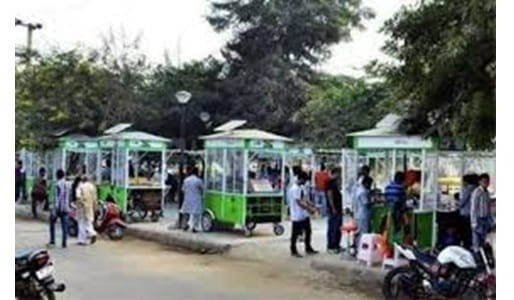
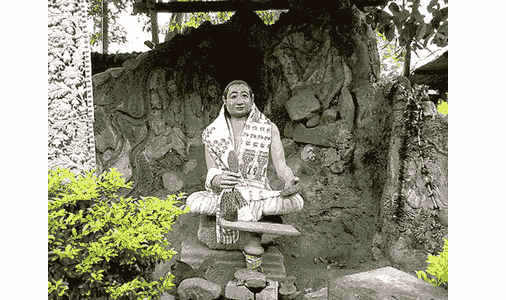
Dallupura is a well-known urban village located in East Delhi near the Delhi–Noida border. Over the years, the area has transformed from a traditional agricultural settlement into a densely populated residential locality surrounded by modern infrastructure, roads, metro connectivity, and expanding commercial activity. Despite rapid urbanization, Dallupura still carries elements of its original village culture through its close community environment, older residential lanes, and traditional local lifestyle.
Today, Dallupura is considered an important residential area because of its strategic location near Noida, Mayur Vihar, and major transportation routes connecting East Delhi with NCR regions.
Historical background of Dallupura Village
Earlier, Dallupura was primarily a farming village where agriculture and dairy activities formed the backbone of the local economy. Families lived in traditional village houses, and the area was surrounded by open land, agricultural fields, and small water bodies.
Life was simple and community-centered. Villagers depended on farming, livestock, and local trade for daily livelihood. Traditional festivals, community gatherings, and village customs played an important role in social life.
The transformation of Dallupura began when East Delhi started expanding rapidly. The development of nearby areas such as Mayur Vihar and Noida brought major infrastructure projects, roads, housing colonies, and commercial activity into the region. Agricultural land gradually reduced as urban construction increased.
With Delhi’s continuous population growth, Dallupura slowly evolved into an urban village. Today, most of the surrounding landscape has changed into residential buildings, local markets, and transport corridors, although traces of the older village structure still remain visible.
Location and importance
Dallupura is strategically located near the Delhi–Noida border, which makes it highly important for daily commuters and working professionals.
Nearby important areas include:
- Mayur Vihar
- Trilokpuri
- Kondli
- Noida Sector regions
- New Ashok Nagar
Its location offers easy access to:
- East Delhi commercial areas
- Noida office hubs
- Educational institutions
- Metro corridors
- Major highways and roads
Because of this connectivity, Dallupura has become popular among:
- Working professionals
- Students
- Small business owners
- Families seeking affordable housing near Noida and Delhi
Connectivity and transport
Connectivity is one of the strongest features of Dallupura Village.
Delhi Metro has greatly improved transportation in this part of East Delhi. Nearby metro stations connect residents directly to central Delhi, Noida, and other NCR regions.
Important nearby metro connectivity points include:
- New Ashok Nagar Metro Station
- Mayur Vihar Metro connectivity
- Noida Electronic City routes
These metro links provide smooth access to:
- Connaught Place
- Rajiv Chowk
- Noida business districts
- South Delhi
- Gurgaon through interchange routes
Road connectivity is also strong due to nearby highways and arterial roads connecting Delhi with Noida.
Residents commonly use:
- Metro services
- DTC buses
- Auto-rickshaws
- E-rickshaws
- App-based taxis
Because of its border location, daily traffic movement remains very high throughout the day.
Lifestyle and local atmosphere
Life in Dallupura reflects a mix of traditional village culture and busy urban living.
Older residents continue maintaining community-based social traditions, while newer populations include migrant workers, office employees, students, and business families who have moved here due to affordable housing and location advantages.
The locality remains active throughout the day. Mornings are dominated by office and school traffic, while evenings become lively with:
- Local markets
- Street food stalls
- Tea shops
- Small restaurants
- Community gatherings
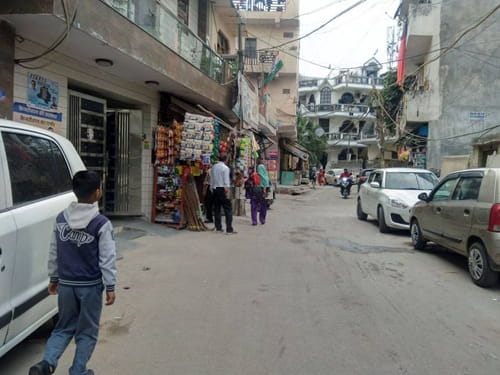
One of the unique features of Dallupura is the contrast between older narrow village lanes and newly constructed buildings nearby. This gives the area a distinct urban-village identity commonly seen in many parts of Delhi.
Housing and real estate
Real estate growth has played a major role in the development of Dallupura.
The area offers:
- Rental rooms
- Builder floors
- Small apartments
- Independent houses
Compared to many developed residential colonies in East Delhi and Noida, housing in Dallupura is relatively more affordable. This makes it attractive for:
- Students
- Working professionals
- Small families
- Daily commuters
Rental demand is particularly strong because of proximity to Noida office sectors and metro connectivity.
Over time, many traditional village homes have been converted into multi-storey residential buildings to meet rising housing demand.
Markets and commercial activity
Daily life in Dallupura is supported by active local markets and nearby commercial centers.
Residents have access to:
- Grocery shops
- Vegetable markets
- Medical stores
- Mobile and electronics shops
- Clothing stores
- Local service centers
Nearby Noida and Mayur Vihar markets provide additional shopping and entertainment options, including malls and branded stores.
Commercial activity in the area continues growing due to increasing population density and rising residential demand.
Food culture and local cuisine
Food culture in Dallupura reflects classic Delhi street-food traditions mixed with local North Indian flavors.
Popular food items include:
- Chole bhature
- Momos
- Golgappa
- Samosa
- Bread pakora
- Tea and snacks from roadside stalls
Local eateries and dhabas provide affordable meals for students and office workers. Street food stalls become especially crowded during evening hours when people return from offices and colleges.
Nearby markets in Noida and Mayur Vihar also offer modern cafés and restaurants for wider dining options.
Education and healthcare
Dallupura benefits from nearby educational and healthcare infrastructure in East Delhi and Noida.
The area has access to:
- Government schools
- Private schools
- Coaching centers
- Tuition institutes
Healthcare facilities include:
- Local clinics
- Nearby hospitals in Mayur Vihar and Noida
- Medical stores and diagnostic centers
Residents can easily access advanced healthcare services because of strong connectivity to larger NCR medical hubs.
Challenges faced by Dallupura
Like many urban villages in Delhi, Dallupura also faces several urban challenges:
- Traffic congestion
- Narrow internal roads in old village sections
- Parking shortages
- Population density
- Pressure on civic infrastructure
Rapid urbanization has increased the demand for better drainage, road expansion, and public services.
Future development
The future of Dallupura appears promising because of its location near major NCR growth corridors.
Future improvements may include:
- Better road infrastructure
- Redevelopment projects
- Improved civic facilities
- Increased commercial activity
- Enhanced metro and transport integration
Its proximity to Noida and East Delhi business zones ensures continued residential and commercial demand.
Conclusion
Dallupura represents the ongoing transformation of Delhi’s traditional villages into modern urban neighborhoods. What was once a quiet farming settlement has now become a busy and densely populated residential area connected closely to the larger Delhi NCR region.
Even though modern development has changed much of its appearance, Dallupura still preserves aspects of its village identity through local traditions, community culture, and older residential structures. With affordable housing, metro connectivity, and access to Noida and East Delhi, it continues to grow as an important urban village in the capital region.