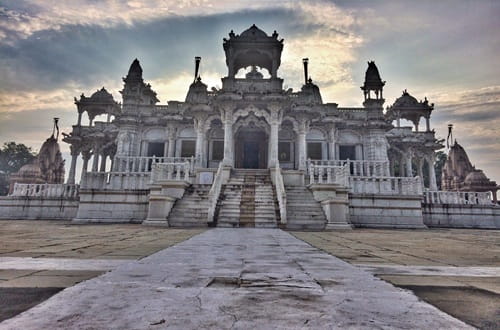
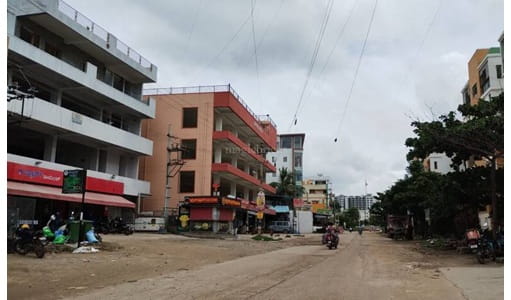
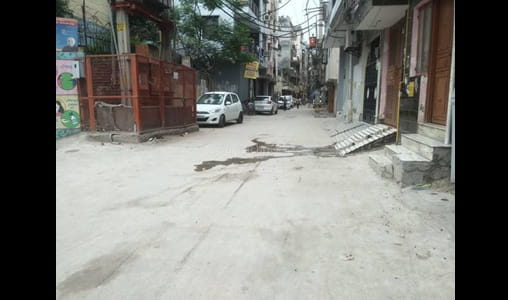
Lampur is a traditional village located in the northern part of Delhi. Over the years, it has developed from a quiet agricultural settlement into a semi-urban locality influenced by Delhi’s rapid expansion. The village is known for its farmland surroundings, rural lifestyle, and gradually improving infrastructure while still maintaining its cultural and community-based identity.
Lampur Village represents many outer Delhi villages where old rural traditions continue to exist alongside modern development, residential growth, and improved connectivity.
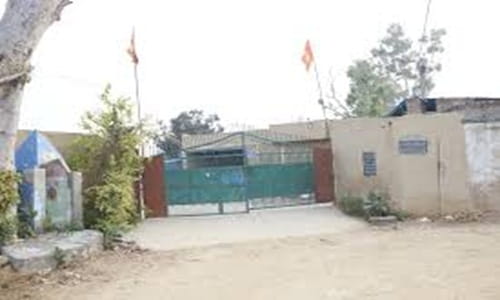
Historical background of Lampur Village
Lampur has historically been an agricultural village where farming was the main source of livelihood. The village economy was primarily based on cultivation and livestock rearing.
Earlier life in Lampur was simple and centered around:
- Farming and crop production
- Dairy farming
- Village-level trade
- Traditional occupations
The village had open fields, mud and brick houses, narrow lanes, and a strong sense of community living. People depended heavily on seasonal agriculture, rainfall patterns, and local water resources.
Social life was deeply connected with:
- Religious festivals
- Community gatherings
- Agricultural cycles
- Local traditions and customs
As Delhi expanded toward its outer regions, Lampur gradually began experiencing urban influence. Roads improved, transportation became more accessible, and nearby industrial and residential developments started affecting the village landscape.
Over time, agricultural land in some areas was gradually replaced by:
- Residential constructions
- Roads and infrastructure projects
- Institutional and industrial developments
- Small commercial establishments
Location and geographical importance
Lampur is located near Narela and other developing areas of North West Delhi.
Nearby regions include:
- Narela
- Bawana
- Holambi Kalan
- Alipur
- Outer Ring Road extension zones
Its location makes it strategically important because it lies close to:
- Industrial areas of North Delhi
- Residential development zones
- Haryana border regions
- Transport and logistics corridors
Due to this, Lampur has become increasingly relevant for both residential and industrial expansion.
Lifestyle and local atmosphere
Life in Lampur reflects a mix of traditional village culture and modern urban influence.
Older generations still follow traditional rural lifestyles, while younger residents are more connected to urban jobs and education.
Daily life includes:
- Farming-related activities (in remaining agricultural areas)
- Office and industrial commuting
- Local market visits
- Community gatherings
- Social and religious events
The village still maintains a relatively peaceful environment compared to central Delhi, though urbanization is gradually increasing activity and population density.
Economy and employment
The economy of Lampur Village has diversified over time.
Agriculture
Agriculture still exists in parts of the village, with crops such as:
- Wheat
- Rice
- Vegetables
- Seasonal crops
However, farming is no longer the only major occupation.
Industrial and urban employment
Due to proximity to industrial zones like Bawana and Narela, many residents work in:
- Factories and industrial units
- Warehousing and logistics
- Construction work
- Service sector jobs
- Private companies in Delhi NCR
Local businesses
The village also supports:
- Grocery shops
- Small restaurants and tea stalls
- Medical stores
- Transport services
- Daily utility businesses
Employment opportunities have increased due to nearby industrial development.
Housing and infrastructure
Housing in Lampur includes a combination of traditional and modern structures.
The locality consists of:
- Old village houses
- Newly constructed residential buildings
- Rental accommodations
- Small developing colonies
Infrastructure improvements include:
- Better road connectivity
- Electricity supply expansion
- Water distribution systems
- Mobile network and internet access
However, like many developing areas, some parts still require improved civic facilities and planning.
Connectivity and transportation
Connectivity is one of the important aspects of Lampur’s development.
The village is connected through:
- Narela–Bawana road networks
- Outer Delhi transport routes
- Local village roads connecting nearby areas
Residents commonly use:
- DTC buses
- Auto-rickshaws
- E-rickshaws
- Private vehicles
- Shared transport services
Delhi Metro access is available through nearby metro stations in Narela and surrounding areas, improving connectivity with central Delhi and other NCR regions.
The area connects easily to:
- Industrial hubs
- Delhi city regions
- Haryana border areas
- Commercial markets
Education and healthcare
Educational facilities around Lampur have improved in recent years.
Residents have access to:
- Government schools
- Private schools
- Coaching centers
- Colleges in nearby areas like Narela and Rohini
Healthcare services include:
- Local clinics
- Medical shops
- Primary health centers
- Hospitals in nearby urban areas
Better transportation has made access to education and healthcare easier than before.
Food culture and daily life
Food culture in Lampur reflects typical North Indian and Delhi village cuisine.
Popular foods include:
- Roti, sabzi, and dal
- Parathas with curd and pickles
- Chole bhature
- Rice-based meals
- Street snacks like samosa and pakora
- Tea and local refreshments
Local dhabas and tea stalls play an important role in social interaction and daily life.
Festivals and cultural traditions
Festivals in Lampur are celebrated with enthusiasm and community participation.
Major festivals include:
- Diwali
- Holi
- Dussehra
- Navratri
- Local village fairs and religious events
Festivals often include:
- Community feasts
- Religious ceremonies
- Music and cultural programs
- Family gatherings
These celebrations strengthen social bonds and preserve traditional values.
Challenges faced by the village
Like many rapidly developing villages in Delhi, Lampur faces several challenges:
- Increasing population pressure
- Traffic and road congestion
- Need for better drainage and sanitation systems
- Reduction in agricultural land
- Environmental stress due to urban expansion
Balancing development with sustainability remains an important concern.
Future development
The future of Lampur looks promising due to continuous urban and industrial expansion in North West Delhi.
Expected developments include:
- Improved road infrastructure
- Expansion of industrial and employment zones
- Better residential planning
- Enhanced public services
- Growth of local businesses
With its strategic location near industrial hubs and Delhi NCR connectivity, Lampur is likely to see continued development in the coming years.
Conclusion
Lampur is a developing village that reflects the transition of rural Delhi into a modern urban landscape. While traditional village life and agriculture still exist in some parts, the area is rapidly evolving due to industrial growth, residential expansion, and improved connectivity.
With its strategic location, growing infrastructure, and increasing employment opportunities, Lampur Village continues to move toward becoming an important part of Delhi’s expanding urban framework.