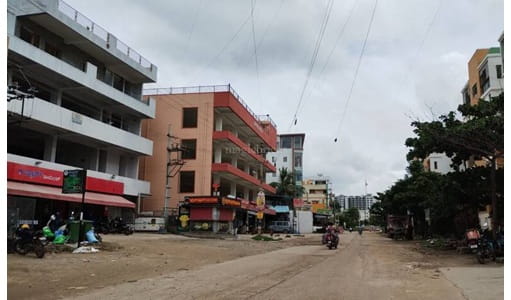
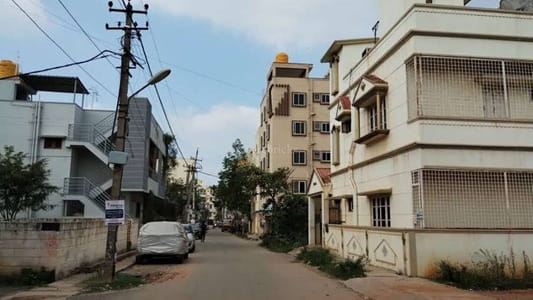
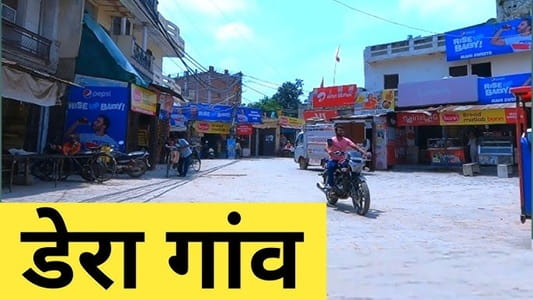
Mahul is a well-known locality and village area situated in the eastern part of Mumbai near Chembur. The area is historically connected to fishing communities, coastal settlements, and industrial development. Over the years, Mahul has transformed from a quiet coastal village into an industrially influenced urban region surrounded by refineries, factories, residential colonies, and transport infrastructure.
Today, Mahul is widely recognized because of its strategic location near Mumbai’s industrial belt and port-related activities. At the same time, the locality is also discussed for environmental and rehabilitation-related issues that emerged due to rapid urban and industrial expansion.
Historical background of Mahul Village
Earlier, Mahul was a traditional coastal village surrounded by creeks, mangroves, and fishing communities. Like many old settlements around Mumbai, the village was mainly inhabited by local fishing families and people involved in small-scale trade and farming activities.
The natural environment of the region supported:
- Fishing activities
- Salt-pan work
- Small agricultural practices
- Coastal trade
Life in the village was peaceful and strongly connected to the sea. Residents depended heavily on marine resources and traditional occupations for their livelihood.
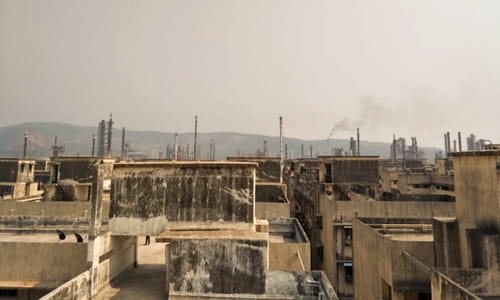
The transformation of Mahul began during Mumbai’s industrial expansion in the mid and late 20th century. Oil refineries, chemical industries, and industrial facilities started developing around the eastern waterfront of Mumbai. Gradually, large industrial projects changed the landscape of the area completely.
As industries expanded, residential settlements and rehabilitation colonies also developed nearby. Over time, Mahul became closely associated with Mumbai’s industrial and petroleum infrastructure.
Location and strategic importance
Mahul is located in East Mumbai near Chembur and the Mumbai Harbour region.
Nearby important areas include:
- Chembur
- Trombay
- Govandi
- Mankhurd
- Mumbai Port-side industrial regions
Its location is highly important because it lies close to:
- Oil refineries
- Industrial plants
- Port infrastructure
- Eastern Express Highway connections
The area plays a major role in Mumbai’s industrial economy and logistics network.
Major industrial facilities around Mahul have contributed significantly to:
- Petroleum processing
- Chemical manufacturing
- Industrial transportation
- Employment generation
Industrial development in Mahul
One of the defining features of Mahul is its strong industrial presence.
The surrounding region includes:
- Oil refineries
- Chemical industries
- Storage terminals
- Port-related operations
- Industrial warehouses
This industrial growth brought employment opportunities and economic activity but also changed the social and environmental landscape of the village.
Many workers employed in nearby industries live in surrounding residential colonies and rehabilitation housing areas.
Because of its industrial importance, Mahul became closely connected to Mumbai’s economic growth and infrastructure expansion.
Connectivity and transportation
Connectivity in Mahul has improved significantly over the years due to Mumbai’s transport development.
The locality is connected through:
- Eastern Express Highway routes
- Chembur road network
- Harbour Line railway connectivity nearby
Residents commonly use:
- BEST buses
- Local trains through nearby stations
- Auto-rickshaws
- Taxi services
- Private vehicles
Mumbai Suburban Railway plays an important role for commuters traveling toward central and southern Mumbai.
The nearby road network connects Mahul with:
- Navi Mumbai
- South Mumbai
- Eastern Mumbai suburbs
- Industrial transport corridors
Because of industrial traffic, heavy vehicle movement is common in the area.
Lifestyle and local atmosphere
Life in Mahul is very different from tourist-focused or commercial areas of Mumbai. The locality has a strong working-class and industrial character.
The population includes:
- Industrial workers
- Fishing communities
- Migrant laborers
- Rehabilitation colony residents
- Local business families
Daily life revolves around:
- Industrial work schedules
- Local markets
- Fishing and coastal activities in some areas
- Community-based social life
Despite industrial surroundings, local communities maintain strong cultural traditions and neighborhood relationships.
Older village pockets still preserve traces of traditional coastal Mumbai culture.
Housing and rehabilitation colonies
Housing in Mahul includes:
- Old village homes
- Industrial worker housing
- Rehabilitation colonies
- Apartment structures in nearby regions
The area became nationally discussed because several rehabilitation housing projects shifted families from different parts of Mumbai to Mahul.
These rehabilitation colonies were developed as part of urban redevelopment and infrastructure projects elsewhere in the city.
However, concerns related to environmental conditions and industrial pollution have also been raised by residents and activists over the years.
Environmental concerns
One of the biggest issues associated with Mahul is environmental pollution.
Because the locality is surrounded by:
- Refineries
- Chemical plants
- Industrial emissions
many residents have raised concerns about:
- Air quality
- Health problems
- Environmental safety
- Living conditions near industrial zones
These concerns have often been discussed in relation to rehabilitation housing projects located near industrial areas.
At the same time, authorities and industries have also introduced pollution-control measures and environmental monitoring systems in surrounding zones.
Food culture and local life
Food culture in Mahul reflects both coastal Mumbai traditions and working-class urban influence.
Popular local foods include:
- Seafood dishes
- Fish curry and rice
- Vada pav
- Pav bhaji
- Biryani and local snacks
Small eateries, tea stalls, and local restaurants are important parts of daily social life.
Traditional fishing communities still maintain seafood-based food traditions connected to Mumbai’s coastal heritage.
Economy and employment
The economy of Mahul is largely influenced by industrial and transport-related activities.
Major employment sectors include:
- Oil and refinery work
- Chemical industries
- Logistics and transport
- Port operations
- Small local businesses
Street markets, repair shops, and daily-use commercial establishments also support the local economy.
Many residents commute daily to nearby industrial zones and commercial areas.
Education and healthcare
The locality has access to educational and healthcare facilities through nearby Chembur and eastern Mumbai regions.
Residents use:
- Government schools
- Private schools
- Clinics and hospitals in nearby areas
- Medical shops and local healthcare centers
Larger healthcare facilities are available in Chembur and central Mumbai regions.
Challenges faced by Mahul
Mahul faces several urban and environmental challenges:
- Industrial pollution concerns
- Heavy traffic movement
- Pressure on infrastructure
- Environmental health discussions
- Limited open spaces in some residential pockets
At the same time, its strategic location keeps it important within Mumbai’s industrial network.
Future development
The future of Mahul will likely remain closely connected to Mumbai’s industrial and infrastructure growth.
Future improvements may include:
- Better civic infrastructure
- Environmental management systems
- Improved housing conditions
- Enhanced transport connectivity
- Industrial modernization projects
Urban planning and environmental sustainability will play important roles in the region’s future development.
Conclusion
Mahul represents a unique part of Mumbai where traditional coastal village culture and large-scale industrial development exist side by side. What was once a peaceful fishing village has evolved into an important industrial locality connected to Mumbai’s economic infrastructure.
Even though the area faces environmental and urban challenges, Mahul continues to remain significant because of its strategic location, industrial importance, and strong local community identity.