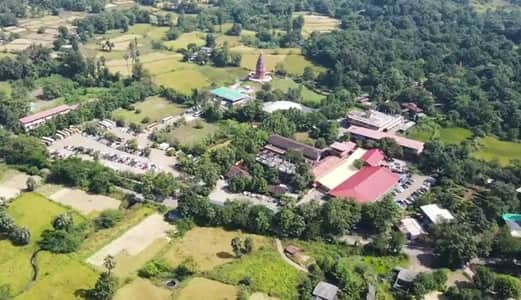
Nira is a well-known rural region located in Maharashtra, often associated with agriculture, river-based farming, and traditional Maharashtrian village culture. The area around Nira is known for its fertile land, sugarcane cultivation, cooperative farming systems, and strong rural economy. Over time, the village and surrounding region have developed gradually while still preserving their cultural and agricultural identity.
Nira represents many Maharashtrian villages where farming, local industries, and community life remain deeply connected even as modernization slowly expands.

Historical background of Nira Village
Nira has a long agricultural history, with its development closely linked to irrigation and farming-based livelihoods. Earlier, the region was mainly dependent on seasonal agriculture supported by river water and monsoon rains.
Traditional village life included:
- Farming and crop cultivation
- Sugarcane production
- Livestock rearing
- Local trade and barter systems
- Cooperative farming practices
The village developed around agricultural land and water resources, which helped shape its economy and settlement pattern. Families lived in close-knit communities where social cooperation and shared farming activities were very important.
Over time, irrigation projects, cooperative sugar factories, and rural development schemes improved agricultural productivity and economic stability in the region.
Location and geographical importance
Nira is located in Maharashtra and is part of an agriculturally rich belt known for sugarcane farming.
The region is influenced by:
- River systems and irrigation canals
- Fertile black soil (ideal for sugarcane)
- Flat agricultural plains
- Nearby rural and semi-urban settlements
Because of its agricultural strength, Nira plays an important role in Maharashtra’s farming and sugar production ecosystem.
Nearby towns and villages depend on Nira for:
- Agricultural trade
- Sugar industry employment
- Local markets
- Transportation connectivity
Agriculture and economy
Agriculture is the backbone of Nira.
The region is especially known for:
- Sugarcane cultivation
- Jowar (sorghum) farming
- Wheat production
- Vegetable farming
- Dairy farming
One of the most important economic contributors is the sugar industry. Sugarcane grown in the region is supplied to cooperative sugar mills, which provide employment and economic support to thousands of families.
Cooperative system
The cooperative movement plays a key role in the region’s economy:
- Sugar factories support farmers
- Farmer cooperatives help with pricing and distribution
- Shared agricultural resources improve productivity
Local employment
Apart from agriculture, people also work in:
- Sugar mills
- Transportation services
- Small businesses and shops
- Construction work
- Government and private jobs
The combination of farming and agro-industries supports the local economy.
Lifestyle and village culture
Life in Nira reflects traditional Maharashtrian rural culture.
The lifestyle is simple and community-oriented. Most families maintain strong social connections and participate in local cultural activities.
Daily life includes:
- Farming activities
- Dairy and livestock care
- Market visits
- School and college routines
- Social gatherings
Cultural traditions and festivals play a major role in village life, keeping the community connected.
Festivals and traditions
Festivals in the Nira region are celebrated with enthusiasm and participation.
Major festivals include:
- Ganesh Chaturthi
- Diwali
- Gudi Padwa
- Makar Sankranti
- Holi
Celebrations often include:
- Traditional music and dance
- Community feasts
- Religious rituals
- Decoration of homes and streets
Agricultural festivals are also important because farming is the main occupation.
Food culture and local cuisine
Food culture in Nira reflects traditional Maharashtrian cuisine based on locally grown crops.
Popular foods include:
- Bhakri (jowar or bajra roti)
- Pithla bhakri
- Varan bhat (dal-rice)
- Thecha (spicy chutney)
- Seasonal vegetables
- Milk and dairy products
Sugarcane juice is also widely popular due to local cultivation.
Food is often simple, fresh, and based on locally available agricultural produce.
Connectivity and transportation
Connectivity in Nira has improved over time due to road and rail development.
Transport options include:
- State transport buses (MSRTC)
- Private buses
- Tractors and goods vehicles
- Two-wheelers and cars
The region is connected to nearby towns and cities through road networks and railway routes, helping farmers and traders transport goods easily.
Improved transportation has also supported trade and employment opportunities.
Education and healthcare
Educational facilities in Nira and surrounding areas have developed gradually.
Residents have access to:
- Government schools
- Private schools
- Colleges in nearby towns
- Agricultural training institutes
Healthcare services include:
- Primary health centers
- Local clinics
- Medical shops
- Hospitals in nearby urban areas
Better connectivity has improved access to advanced healthcare facilities in cities.
Housing and infrastructure
Housing in Nira includes a mix of traditional and modern structures.
The area consists of:
- Traditional village homes
- Cement-built houses
- New residential constructions
- Small developing colonies
Infrastructure improvements include:
- Road development
- Electricity supply expansion
- Water irrigation systems
- Mobile and internet connectivity
Rural development programs have contributed to improving living standards.
Challenges faced by the region
Despite development, the Nira region faces certain challenges:
- Dependence on agriculture and monsoon
- Water resource management issues
- Market price fluctuations for crops
- Migration of youth to cities
- Need for industrial diversification
Balancing agricultural tradition with modern development remains an important concern.
Future development
The future of Nira looks promising due to agricultural strength and improving infrastructure.
Future development may include:
- Expansion of agro-based industries
- Better irrigation systems
- Improved transportation infrastructure
- Growth of small and medium businesses
- Increased educational opportunities
With strong agricultural roots and cooperative systems, the region has potential for steady economic growth.
Conclusion
Nira is an important agricultural region known for its fertile land, sugarcane production, and strong rural economy. It represents the traditional Maharashtrian village lifestyle where farming, community values, and cultural traditions continue to play a central role.
With ongoing development in infrastructure, education, and agriculture, Nira continues to grow while maintaining its rural identity and importance in Maharashtra’s agricultural landscape.