Nilothi is a well-known urban village located in West Delhi. Over time, it has transformed from a traditional rural settlement into a densely populated semi-urban locality due to the rapid expansion of Delhi. Today, Nilothi is recognized for its residential colonies, rental housing, local markets, and strong connectivity with nearby areas like Nangloi and Nangloi Extension.
Despite heavy urbanization, Nilothi still reflects traces of its village roots through community-based living, traditional culture, and local social structures.
Historical background of Nilothi Village
Nilothi was originally an agricultural village where farming was the main occupation. Most families depended on cultivation, livestock, and small-scale rural activities for their livelihood.
Earlier village life included:
- Farming and seasonal agriculture
- Dairy and cattle rearing
- Local trade and small shops
- Strong village community system
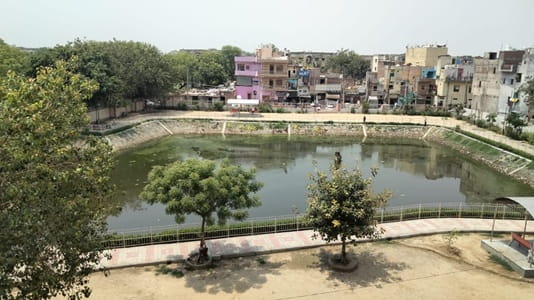
The area was once surrounded by open fields, ponds, and traditional houses. Life was peaceful and closely connected with nature and agriculture.
As Delhi expanded, especially in West Delhi regions, Nilothi gradually became part of the urban growth zone. Agricultural land reduced significantly, and residential development started replacing farmland.
Over time, the village saw:
- Construction of houses and apartments
- Development of internal roads
- Increase in population density
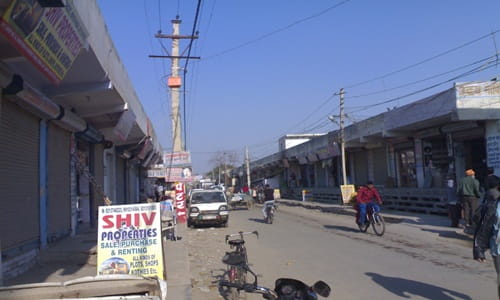
- Growth of local markets and shops
Today, Nilothi is a fully integrated urban village within Delhi’s expanding city structure.
Location and geographical importance
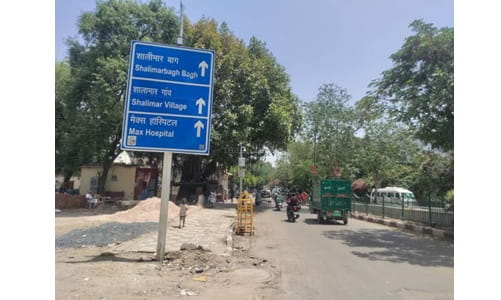
Nilothi is located in West Delhi and is surrounded by several developing and established localities.
Nearby areas include:
- Nangloi
- Mundka
- Paschim Vihar
- Ranhola
- Najafgarh Road belt
Its location provides access to:
- Residential colonies of West Delhi
- Industrial areas of Mundka and Nangloi
- Educational institutions
- Commercial markets and hubs
Because of its location, Nilothi has become an important residential hub for people working in different parts of Delhi NCR.
Lifestyle and local atmosphere
Life in Nilothi reflects a mix of traditional village culture and modern urban living.
The locality is densely populated and active throughout the day due to residential and commercial activities.
Daily life includes:
- Office and industrial commuting
- School and college routines
- Local market shopping
- Street food and small eateries
- Community interactions
Older residents still maintain traditional values, while younger generations are more urban-oriented and connected to Delhi’s modern lifestyle.
Despite urbanization, social bonds between residents remain strong, which is a characteristic feature of old Delhi villages.
Economy and employment
The economy of Nilothi has changed significantly over the years.
Traditional economy
Earlier, residents depended mainly on:
- Agriculture
- Dairy farming
- Local village trade
Urban economy
Today, most people are engaged in:
- Private jobs in Delhi NCR
- Industrial work in nearby areas like Mundka and Nangloi
- Small businesses and shops
- Transport services
- Construction and labor work
Local businesses
Nilothi also has:
- Grocery stores
- Restaurants and dhabas
- Mobile repair shops
- Medical stores
- Daily utility shops
Due to urban expansion, employment opportunities have increased significantly compared to earlier times.
Housing and infrastructure
Housing in Nilothi consists of a mix of old village homes and modern residential structures.
The area includes:
- Traditional village houses
- Multi-story residential buildings
- Rental rooms and PG accommodations
- Newly developed colonies
Infrastructure improvements include:
- Concrete roads in most areas
- Electricity and water supply
- Internet and mobile connectivity
- Expanding sewer and drainage systems
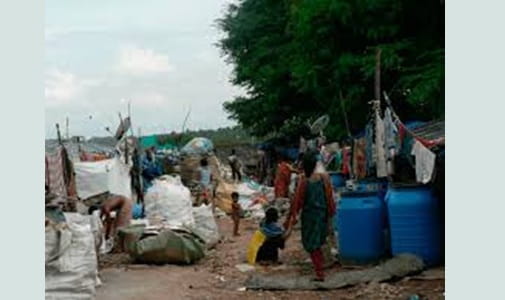
However, due to high population density, some areas still face pressure on civic infrastructure.
Connectivity and transportation
Connectivity is one of the strongest aspects of Nilothi Village.
Nilothi is well connected through:
- Nangloi Road network
- Outer Delhi road corridors
- Internal West Delhi routes
Residents commonly use:
- DTC buses
- E-rickshaws
- Auto-rickshaws
- Private vehicles
Delhi Metro access is available through nearby metro stations in Nangloi and surrounding areas, connecting Nilothi with central Delhi, Dwarka, and other NCR regions.
This strong connectivity makes daily commuting easier for workers, students, and business owners.
Education and healthcare
Educational facilities around Nilothi have improved with urban development.
Residents have access to:
- Government schools
- Private schools
- Coaching centers
- Colleges in nearby West Delhi areas
Healthcare services include:
- Local clinics
- Medical shops
- Diagnostic centers
- Nearby hospitals in Nangloi and Paschim Vihar
Improved connectivity ensures better access to advanced healthcare facilities in Delhi.
Food culture and daily lifestyle
Food culture in Nilothi reflects typical Delhi street food and North Indian cuisine.
Popular foods include:
- Chole bhature
- Parathas with curd and pickle
- Rajma chawal
- Golgappa and chaat
- Momos and fast food items
- Tea and snacks from local stalls
Street food culture is very active, especially in the evenings, making local markets lively and busy.
Festivals and cultural life
Festivals in Nilothi are celebrated with enthusiasm and community participation.
Major festivals include:
- Diwali
- Holi
- Dussehra
- Navratri
- Eid and other local celebrations
Festivals are marked by:
- Decorations and lighting
- Community gatherings
- Religious events
- Cultural programs
- Family feasts
Even in a highly urban environment, cultural traditions continue to play an important role.
Challenges faced by Nilothi Village
Like many urban villages in Delhi, Nilothi faces several challenges:
- Overpopulation and congestion
- Traffic issues during peak hours
- Limited parking space
- Pressure on drainage and sewage systems
- Rapid unplanned construction in some areas
Managing urban growth while maintaining livability is an ongoing challenge.
Future development
The future of Nilothi Village looks promising due to continuous urban expansion in West Delhi.
Expected developments include:
- Improved road infrastructure
- Better drainage and civic facilities
- Organized residential development
- Expansion of metro connectivity influence
- Growth of commercial and retail spaces
With its location near major West Delhi hubs, Nilothi will continue to grow as an important residential and commercial locality.
Conclusion
Nilothi is a classic example of Delhi’s urban villages that have transformed from rural settlements into busy urban localities. While traditional village identity still exists in parts of the area, modern infrastructure, housing, and connectivity have reshaped its lifestyle completely.
With strong connectivity, growing population, and continuous development, Nilothi Village remains an important part of West Delhi’s urban landscape and continues to evolve with time.