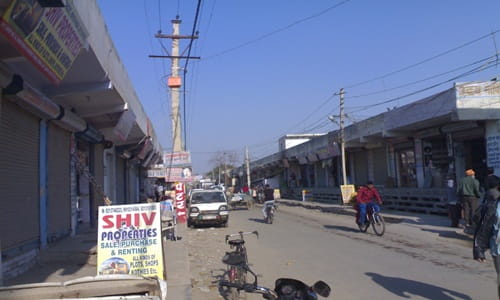
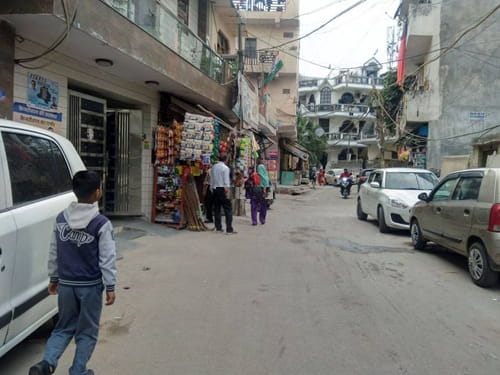
Mandi is one of the most important towns in Himachal Pradesh, often referred to as the “Varanasi of the Hills” due to its large number of ancient temples and spiritual significance. Located on the banks of the Beas River, Mandi is a beautiful blend of natural scenery, cultural heritage, and growing urban development.
Although commonly called “Mandi village” in local usage, it is actually a historic town that has expanded into a district headquarters and a major gateway to central Himachal Pradesh. Today, Mandi attracts tourists, pilgrims, trekkers, and nature lovers throughout the year.
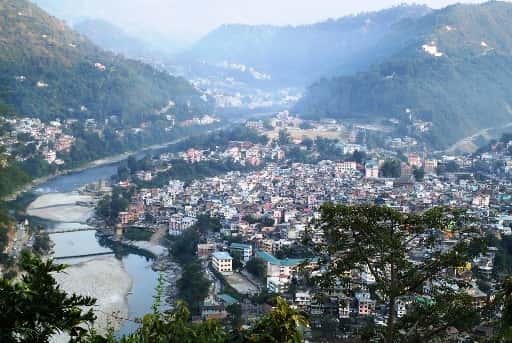
About Mandi Village
Mandi is located in the central part of Himachal Pradesh and is surrounded by mountains, rivers, and forests.
Nearby regions include:
- Kullu Valley
- Sundernagar
- Joginder Nagar
- Rewalsar Lake region
- Himachal hill ranges
Historically, Mandi was ruled by local kings known as the princely state of Mandi. The town is famous for:
- Ancient temples
- Traditional Himalayan architecture
- Spiritual and religious importance
- Old trade routes in the hills
Even today, the town retains its old-world charm while gradually developing modern infrastructure.
Why Mandi is Famous
Mandi is famous for several reasons:
- Over 80+ ancient temples in and around the town
- Beautiful location along the Beas River
- Cultural festivals and fairs
- Gateway to Kullu and Lahaul-Spiti regions
- Rich history of the Mandi kingdom
- Trekking and nature tourism
Because of its spiritual environment, it is often visited by pilgrims and tourists seeking peace and Himalayan beauty.
History of Mandi
Mandi has a deep historical background.
- It was once the capital of the Mandi princely state
- Rulers built temples dedicated to Lord Shiva and other deities
- The town developed as a cultural and trade center in the Himalayas
- British influence later modernized some parts of the town
The old architecture, stone temples, and wooden carvings still reflect its royal past.
Location and Connectivity
Mandi is centrally located in Himachal Pradesh and connects major hill destinations.
Nearby important places:
- Kullu
- Manali
- Sundernagar
- Rewalsar Lake
- Shimla (via highway routes)
Major highways passing through:
- National Highway 3 (Old NH-21)
- Mandi–Pathankot highway routes
The town is a key junction for travel toward Lahaul-Spiti and Kullu Valley.
How to Reach Mandi Village
By Air
The nearest airport is:
- Bhuntar Airport
From the airport, Mandi is around 1.5 to 2 hours by road.
By Road
Mandi is well connected by:
- Himachal Road Transport buses (HRTC)
- Private taxis and tourist cabs
- Highway buses from Delhi, Chandigarh, and Shimla
Road travel offers scenic views of rivers and mountains.
By Rail
The nearest railway station is:
- Kalka–Shimla Railway (for hill connection routes)
For broader rail access, travelers use:
- Chandigarh Railway Station
- Pathankot Railway Station
Lifestyle in Mandi Village
Mandi offers a peaceful Himalayan lifestyle.
Daily life includes:
- Agriculture in nearby areas
- Small businesses and tourism
- Government and administrative jobs
- Temple-based cultural activities
The lifestyle is calm, pollution-free, and deeply connected with nature and traditions.
People here enjoy:
- Clean mountain air
- Slow-paced living
- Strong community bonding
- Religious and cultural harmony
Culture and Traditions
Mandi is known for its vibrant culture.
Key cultural features:
- Traditional Himachali festivals
- Temple fairs and religious processions
- Folk music and dance
- Local handicrafts and wool clothing
- Deep devotion to Lord Shiva
The town celebrates many festivals such as Shivratri with great enthusiasm, attracting thousands of devotees.
Temples and Spiritual Importance
Mandi is famous for its temples.
Major temples include:
- Bhutnath Temple
- Triloknath Temple
- Panchvaktra Temple
- Tarna Temple
These temples are known for:
- Ancient stone architecture
- Religious significance
- Spiritual energy
- Scenic hilltop locations
Places to Visit Near Mandi
1. Rewalsar Lake
Rewalsar Lake is a sacred lake known for:
- Floating islands myth
- Buddhist monasteries
- Sikh and Hindu pilgrimage sites
2. Prashar Lake
Prashar Lake is famous for:
- Floating lake island
- Snow-covered mountains
- Trekking destination
3. Barot Valley
Barot Valley is known for:
- Trout fishing
- Green valleys
- Adventure trekking
4. Shikari Devi Temple
Shikari Devi Temple offers:
- Hilltop temple views
- Forest trekking
- Spiritual experience
Food in Mandi Village
Food in Mandi reflects traditional Himachali cuisine.
1. Local Himachali Food
Popular dishes include:
- Siddu
- Madra
- Chana dal
- Rice and rajma
- Dham (festival meal)
2. Street Food
Available in town areas:
- Momos
- Maggi
- Pakoras
- Tea stalls
3. Café and Restaurant Food
- North Indian cuisine
- Chinese food
- Simple vegetarian meals
How to Spend a Day in Mandi Village
Morning: Temple Visit
- Visit Bhutnath Temple
- Explore old town streets
- Enjoy river views
Afternoon: Nature Exploration
- Visit Rewalsar Lake
- Explore nearby valleys
- Have traditional lunch
Evening: Relaxation
- Walk near Beas River
- Enjoy sunset views
- Explore local markets
Best Time to Visit Mandi
Best time:
- March to June (pleasant weather)
- September to November (clear skies)
Winter is cold but beautiful with snow in nearby areas.
Tips for Visiting Mandi Village
- Carry warm clothes even in summer evenings
- Use local buses for budget travel
- Respect temple customs
- Avoid littering in natural areas
- Book stays in advance during festivals
Nearby Tourist Attractions
You can also explore:
- Manali
- Rohtang Pass
- Solang Valley
- Great Himalayan National Park
Conclusion
Mandi is a beautiful Himalayan town that blends spirituality, history, and natural beauty. With ancient temples, scenic valleys, riverside views, and cultural richness, it stands as one of Himachal Pradesh’s most important destinations.
Whether you are a pilgrim, traveler, or nature lover, Mandi offers peace, heritage, and unforgettable mountain experiences in the heart of the Himalayas.
Frequently Asked Questions (FAQ)
Q1. Where is Mandi located?
A: Mandi is located in central Himachal Pradesh on the banks of the Beas River.
Q2. Why is Mandi famous?
A: It is famous for temples, history, and scenic Himalayan beauty.
Q3. Is Mandi good for tourism?
A: Yes, it is a popular destination for nature, trekking, and pilgrimage tourism.
Q4. What is the best time to visit Mandi?
A: March to June and September to November are ideal.
Q5. How many temples are in Mandi?
A: There are over 80 ancient temples in and around the town.
Q6. What food is famous in Mandi?
A: Himachali dishes like siddu, madra, and dham are popular.
Q7. Is Mandi connected by road?
A: Yes, it is well connected by national highways and bus services.